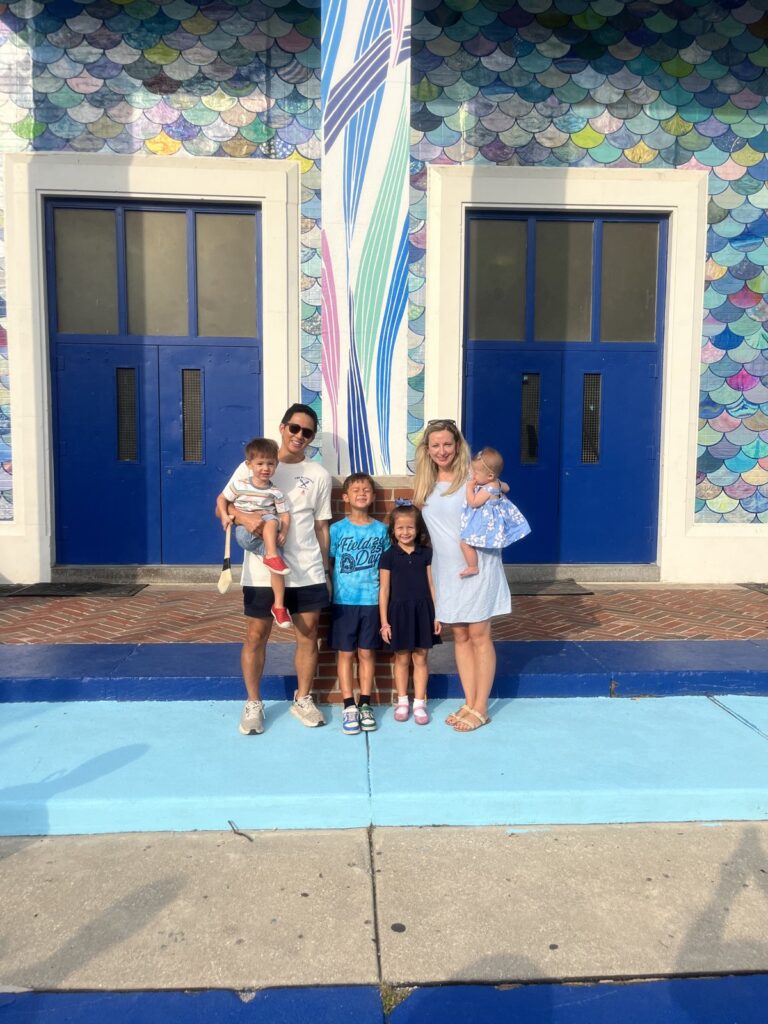
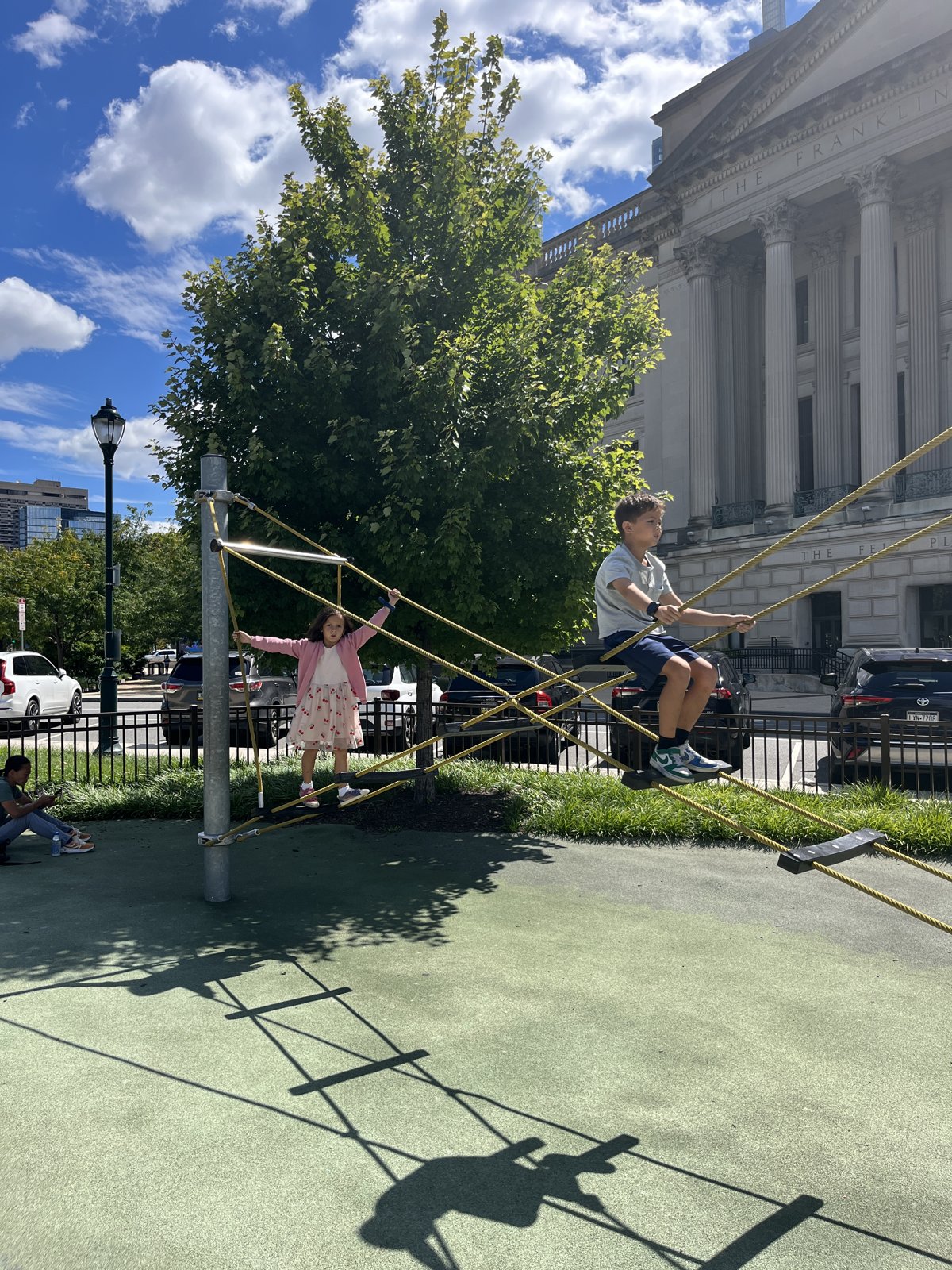
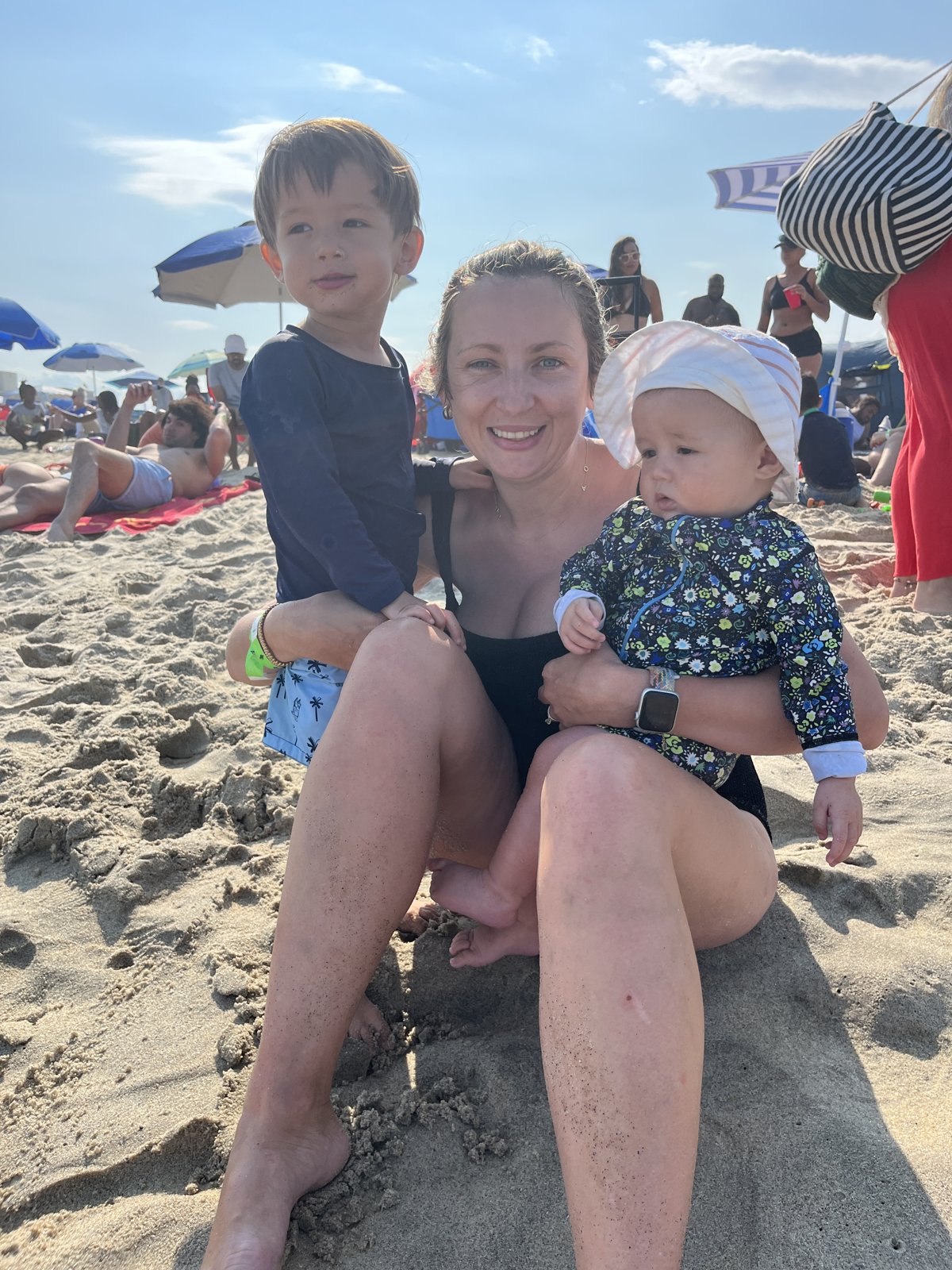
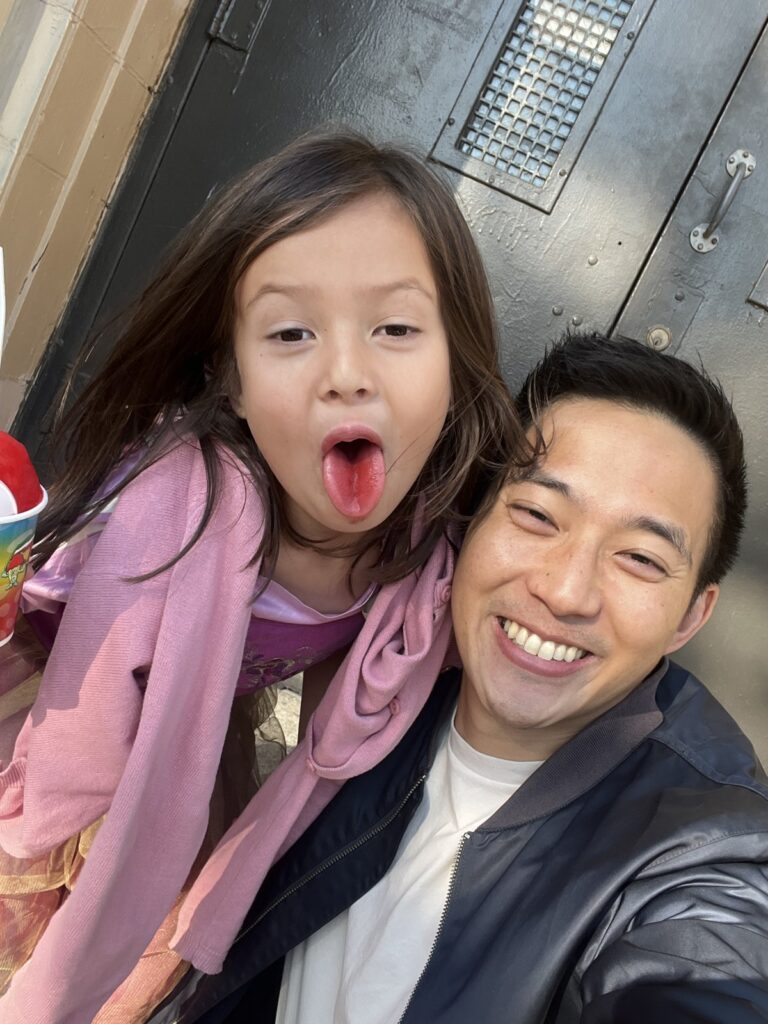
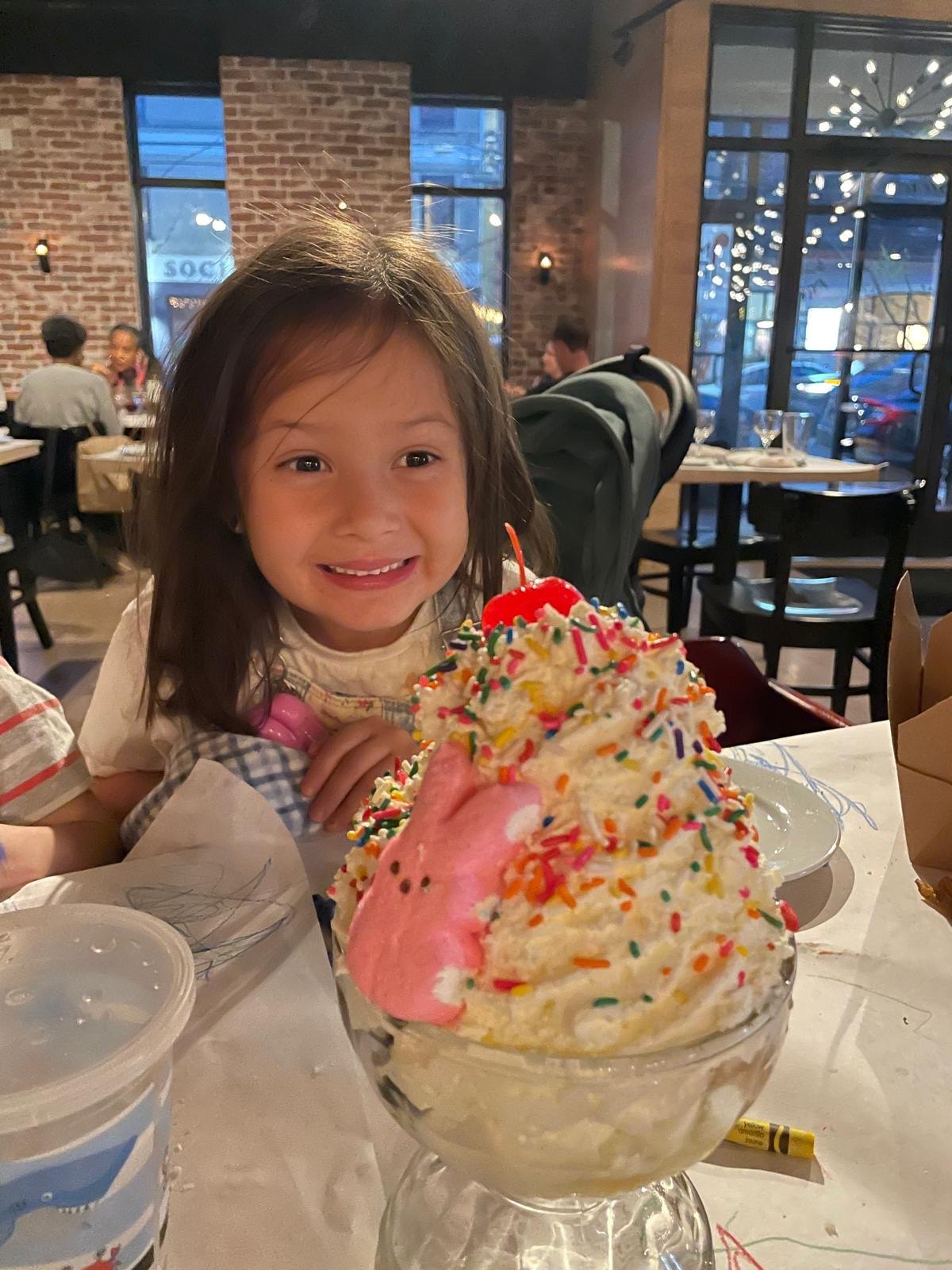
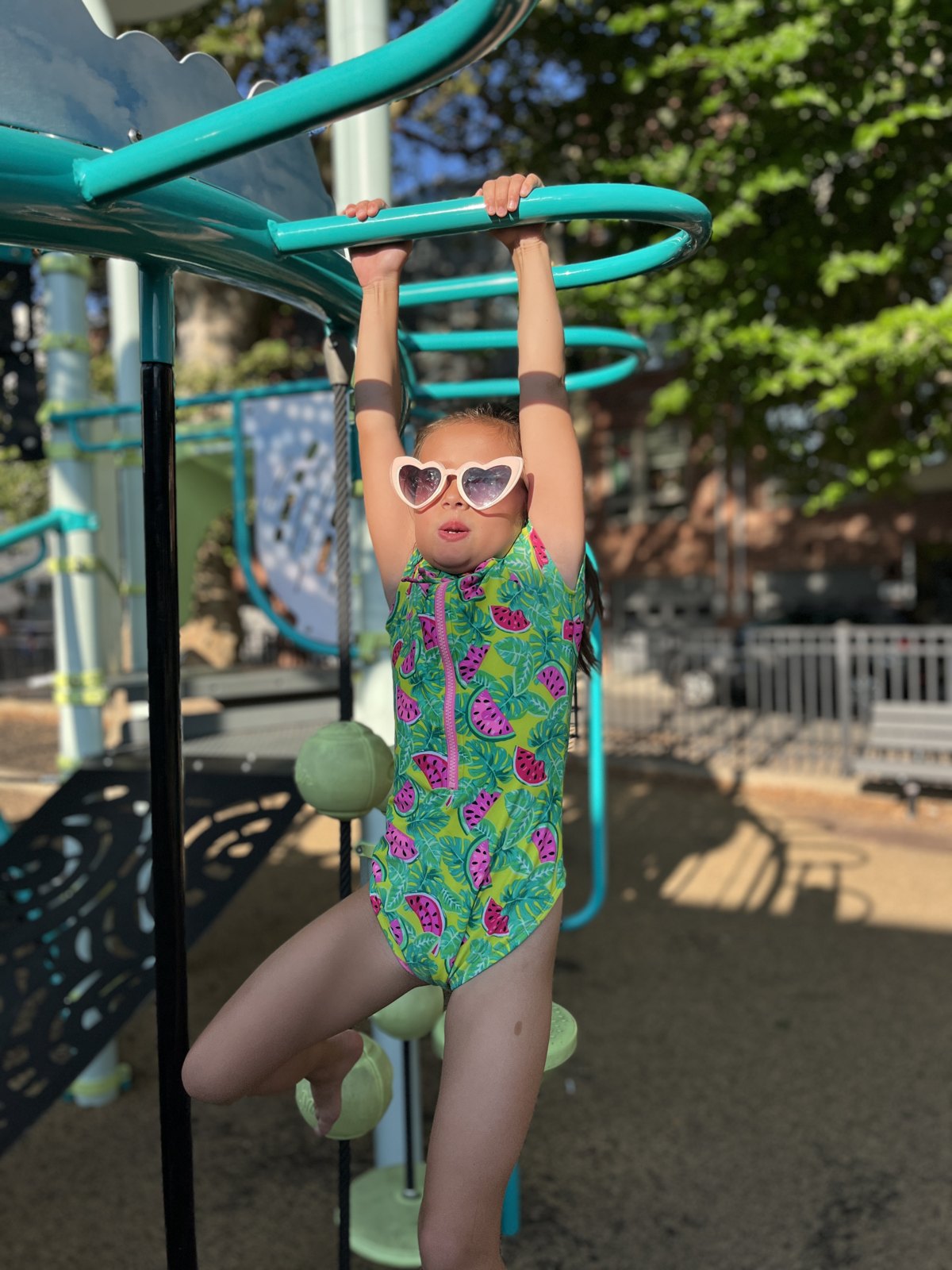
“Grateful I have work where I can drop off Oliver & Annabel to their camp at 9. And then walk to pick them up at 3. And it’s all good. I can still get everything done. I can still do fun side projects, and make it to the gym, and all the stuff I like to do.”
A quarter of small bets
This quarter felt measured. I made a lot of small bets and optimizations. A few examples:
My state of mind was experimentation. If I had an idea, how fast could I execute it (with AI, obviously) and get it out into the world to see whether it was worth pursuing or discarding? That lends itself to trying a lot of different things.
Experimentation is a muscle. It’s a mindset, and it takes time to hone. I’ve been working on it since my Reforge days, and my stunted emotional attachment to people, places, and things gives me an above-average disposition for it. It’s a double-edged sword, though. It’s easy to get caught up in the fun part of work: trying new things. But the only way to make something valuable, or to really enjoy it, is to make consistency your superpower: stick with it for an uncomfortable and unreasonable amount of time.
Here’s what moved this quarter:
Good Morning Philly
Good Morning Philly went from about 2,100 subscribers on July 1 to 3,950 this week. I haven’t missed an issue: 12 this quarter, with a 58% average open rate.
A big question for me all year has been “Is there a there there?” Closing in on 4,000 subscribers after nine months, I think the answer is yes; maybe there is.
I’ve also been thinking about why I’m doing it. Two reasons:
Create something valuable and useful for a community my family loves and is so happy to be a part of.
The intellectual challenge of building something from scratch. I know I have the skills. Now I have to prove it to myself.
Consulting
Both of my client engagements kept going all quarter. They’re getting more intense, but I’m managing. On July 30 I wrote:
“Time is a constraint because of this phase of life, not because of the jobs.”
Some days it feels like a lot, but not because the work is harder or beyond my grasp. The opposite: I’ve landed in a sweet spot, with one foot in the known and one in the unknown, and I find it challenging and rewarding. What makes it hard is balancing family, other responsibilities, and the side projects I’m so excited about.
I’m also moving everything off Kajabi and hosting it myself, starting with my course, Land the Interview, to remove some technical debt and overhead.
Family
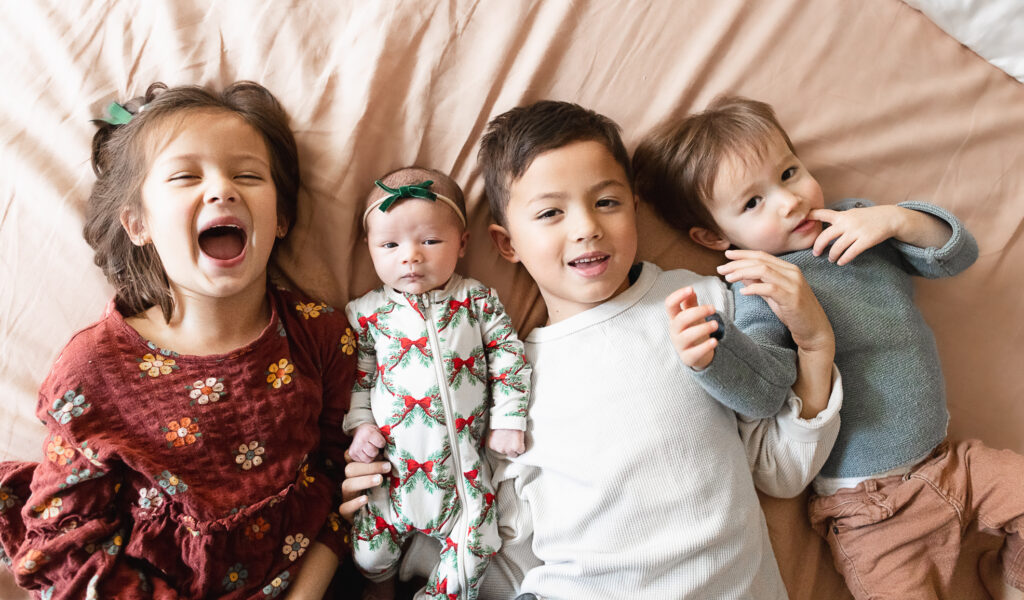
Oliver started third grade. He won his first soccer match, and he and Annabel both started piano lessons.
Annabel started kindergarten and turned six (I wrote her a letter). She’s back to rock climbing, too.
Theodore is still in daycare; he’s still a joy, and he takes most of our energy right now. A two-year-old’s emotions, wants, and needs are a lot to manage.
Madeline has proven to be the chill baby, which is exactly what we need. Her grandad suggested three names, and we took the one that means beautiful and calm. She has lived up to it.
The summer was full. We had beach days at Asbury Park. Spent a week at Rehoboth Beach. Dorney Park felt too far one Monday, so we took the kids and my mom to Diggerland instead. We made it to Dorney Park in August anyway. Deborah and Andrew came over from Cork. And Amy and I celebrated 13 years.
What I’m focused on for Q4
Good Morning Philly: Get to 5,000 subscribers and run a handful of mini experiments along the way: a custom front page, a better subscribe flow, and the YouTube channel. Something to think about for next year: instead of treating this as a side project, do I turn it into a proper media company?
Work: Keep the clients going strong. Make sure I’m continuing to deliver.
Writing: Most of this quarter’s optimizing was really getting my processes back on track. I’m writing Good Morning Philly every week, writing for Remote Life OS (including posts on portfolio careers and AI workflows), and I’ve started writing this newsletter again. It took all quarter to get the process in place, but it’s here. Now I just have to keep it up.
Fiction: I have three fiction projects that have sat on the back burner for over a decade(!), and I’ve started sourcing and researching again. There’s never going to be a good time for this, so I want to bring them forward a little at a time. That way, when I do get a few months to sit down and crank something out, I’ll be ready.
Family: Halloween. A proper Thanksgiving with all the traditions: football, a movie, karaoke. And at least one week off at Christmas, maybe two.
How did your quarter go? Hit reply and tell me.
This is my sixth quarterly review. Previous reviews: 2022 Q1 · 2022 Q2 · 2022 Q3 · 2024 Q2 · 2026 Q1. I publish them because accountability works better in public.
⭐ Recommendations
🍽️ Eating
🥘 Home Appétit. These save us so much time on school days. You know the 5 pm problem. Everybody’s home, everybody’s hungry, and all you’ve got in the fridge is a bottle of OJ and a bag of shredded cheese. This has been a game changer for us.
📖 Reading
📘 Circe by Madeline Miller. Just finished it, and it was outstanding. I was surprised at how much I liked it. It reminded me how much I loved reading the classics when I was younger, and now I want to go back and reread them.
Annabel turns six on September 17th. I write and publish birthday letters for the kids. Here are Oliver’s, at five and at six, and Theodore’s, and Madeline’s.
“If you could write anything in the garden, what would you write, Annabel?” Amy asked.
You didn’t hesitate.
“All kids deserve to be loved.”
“Why?”
“Because whenever we go to the playground, you check to see if my friends want to come, because you know I like playing with them. And whenever I come home, Daddy makes me yogurt and granola for me, because he knows I like it.”
Some days it’s easy to forget you’re only six. That you already understand love is what you do, not what you say.
Two years ago, in your fourth birthday letter, I wrote: “We don’t have that thing yet, AB, you and I. I think we’ll find it, though.”
I think we’re getting closer. We’re so alike, you and I. We both like our silences and our space away from people. We’re both little black sheep, still figuring out where we belong. Or maybe that’s just me projecting. I do that.
Either way, it can be hard. I think this year it was.
For as long as I can remember, you and Oliver were a pair. There was a whole era where you two were inseparable, as we moved across the world and then meandered our way back. That’s slowly ending, and now we’re figuring out what’s next.
You’ve already had your moments of brilliance. Your first day of kindergarten, for one.
Your mom stayed up the night before making you a banner and setting your teddy bears out on the kitchen table to greet you in the morning. You came down smiling ear to ear, bob cut, book bag strapped across your chest like this was the thing you’d been waiting on your whole life. We stood in a schoolyard, a stream of navy blue and khaki, kids fighting and playing all around us. You headed for the door already chatting with a friend. You waved goodbye. You disappeared without a glance back.
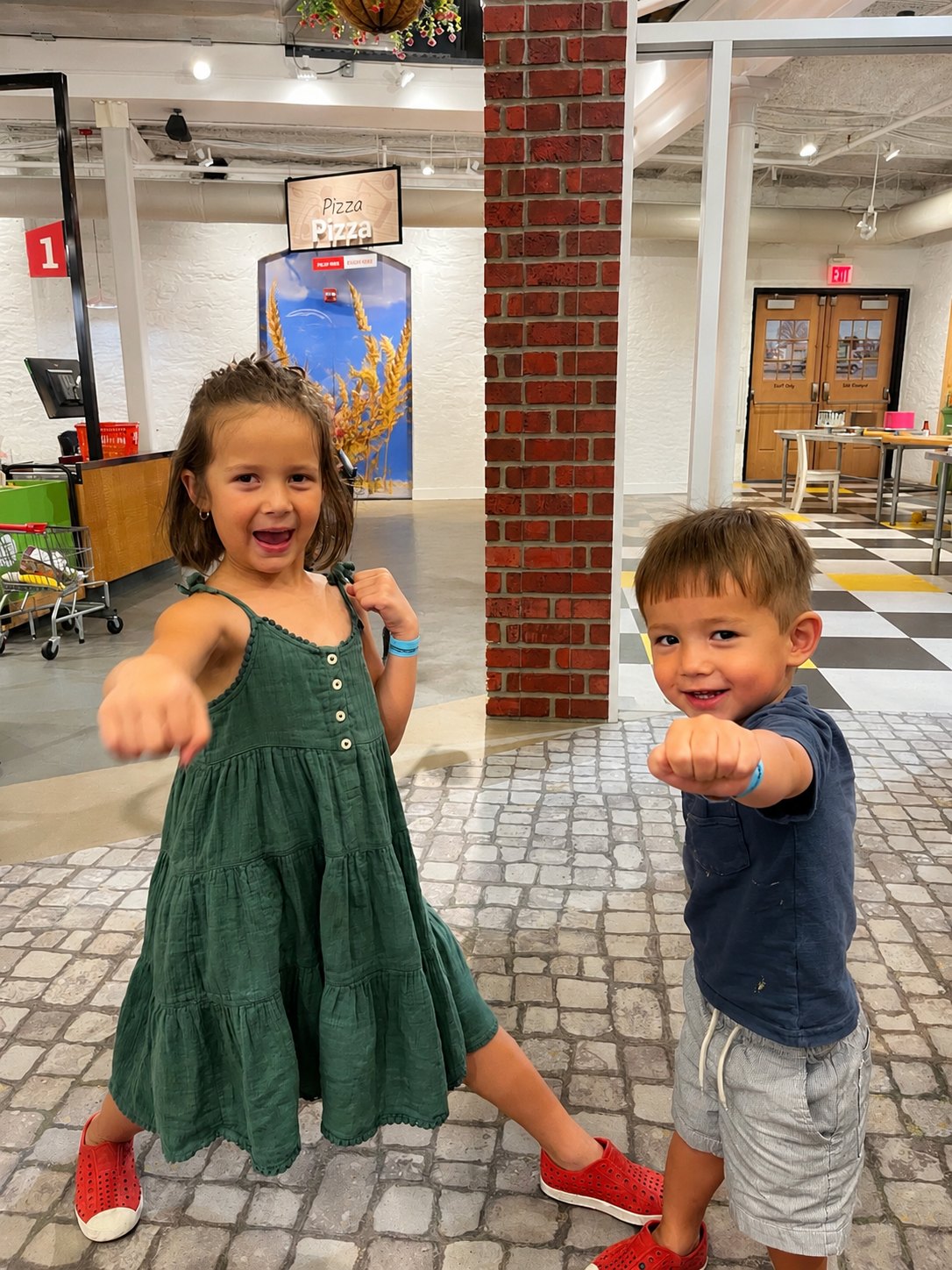
A few days before that, I took you and Theodore to the Please Touch Museum.
You took him under your wing. You walked him through the grocery store and made sure he could pick things out and buy them himself. You brought him into the Alice in Wonderland maze and told him you would keep him safe and show him all the shortcuts.
Six is two steps forward and one step back, my love. It can feel like a maze of its own while you figure out where you fit.
Here’s the one thing you’ll never have to wonder about. You are loved. You’ve got your whole family with you, ready to show you the way whenever you need it.
Happy 6th birthday, my love.
⭐ Recommendations
📺 Watching
🎬 Carolina Caroline. Went in expecting one movie and got a much better one. A Letterboxd review said it best:
“Went in expecting a thrilling, fun and sexy bonnie & clyde style crime thriller and what i got was a deeply profound, irresistibly charming and often emotional character study about the pursuit of happiness.”
🍜 The new Anthony Bourdain movie, Tony. Saw it with my cousins Brian and Brandon; we’ll watch anything Bourdain. I’ve started to re-read Kitchen Confidential. My favorite Bourdain quote, on writing for television:
There is a grim, inevitable and all too predictable trajectory to the passage of a good episode of television. People aren’t as stupid as your minions clearly believe, they don’t need the truth pounded home with meaningless platitudes, or bland generic sum-ups. They’ll get it. …Don’t empower these squirrel-balled nerds by letting them get their way. They will then nibble this show to death like hungry ducks.
🧗 Fall, and then the behind-the-scenes on how they shot it. Just a fun watch; my feet were sweating as I watched it. To work through the direction, they built a tiny scale model of the platform in a backyard first and blocked the entire movie on it, working out how the characters would sit, stand and sleep.
📖 Reading
📕 Sons of Ares, the Red Rising graphic novel, prequel to the series. Great to read it and have visuals of this world.
Almost two years ago, on my first day back from paternity leave, a calendar invite from HR titled “quick sync” landed in my inbox.
“I hope you’ve been having a wonderful time with the new baby. Unfortunately, we’re going through a reduction in force…”
You know the rest.
Shortly after that, I decided to try consulting (i.e., working for myself) full-time. Two years feels like just enough time to give an honest evaluation on how it’s all going.
In January, I ran into a parked Tesla outside of a store that sold overpriced cookies in Fishtown. Not a big deal (it was just a fender bender), but I felt terrible.
I called the owner to tell her.
She picked up the phone:
“This is not how I wanted to start the year.”
You’re telling me.
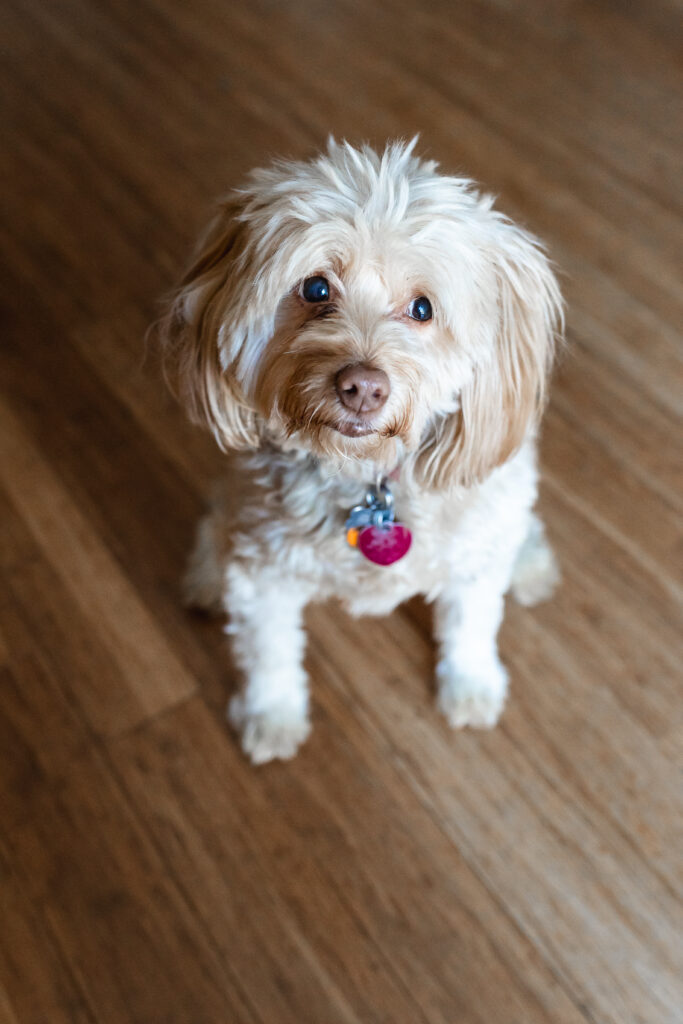
By any objective measure, it was a rough start to 2026. There was The Tesla Incident. Our fridge broke. We found water leaking through the stucco on the back of our house, which means we need to replace the entire exterior. We lost Deefer, our dog, in January.
So yeah. Rough quarter.
Underneath all of that, a lot happened.
What happened in Q1
Good Morning Philly newsletter
The biggest thing I built was Good Morning Philly, a free weekly newsletter covering the River Wards (Fishtown, Northern Liberties, Kensington, Port Richmond) that ships every Monday at 6 AM.
Eight months ago, we asked the vet when we’d know it was time. She didn’t hesitate:
“When he has more bad days than good.”
I wanted specifics. A date. Confidence levels. Standard deviations. But that was all she gave us.
So I did what any reasonable person would do. I started feeding ChatGPT his entire medical history.
Stage 4 heart murmur. A mass on his adrenal gland invading his vena cava. Seven different pills every day. I logged it all. If the vet couldn’t give me a formula, I’d build one myself.
For eight months, it worked. More good days than bad.
—-
Friday. Amy ran upstairs to get ready. I was trying to get the kids to play Mario Kart. Deefer threw up three times. Then he started throwing up his water. And he kept throwing it up.
This is my friends & family newsletter. You probably signed up after reading one of my articles, a LinkedIn post, or after we met. You’ll get a new letter 1-2x per month.
Madeline Mei Jing Lee was born on November 26th, 2025.
We went to visit our family friends, Ali and Tommy, with your Mima. They’d just finished remodeling their house.
Ali opened her walk-in closet.
“Tada,” she said. Shoes lined the room floor to ceiling—Manolo Blahnik pumps and Jimmy Choo and Louboutin heels, all on perfect display. I wear Hokas for every occasion, but somewhere The Corrs were playing. It left me breathless.
Later, Tommy took us to the basement, showed us his tool collection. Everything perfectly hung, tools stenciled to the pegboard so you’d know exactly where each one belonged. Everything in its place.
My dream house.
When we left, I asked your Mima: “Did they want kids?”
“Ali did,” she said. “Tommy didn’t. They nearly divorced over it, years ago.”
“Then what?”
She shrugged.
“Then they didn’t. Tommy got his way.”
—
Your grandad suggested a few names for you.
美雲 (Mei Wan): beautiful cloud
美怡 (Mei Yee): beautiful and joyful
美靜 (Mei Jing): beautiful and calm
We didn’t hesitate. We’ll take the calm one.
Your parents are optimists, Madeline. We wanted to conjure some stillness into your personality. This house runs on chaos—usually after dinner, before bed, the volume rising until someone cries. We were hoping you’d bring some balance.
So far, you’ve held up your end of the bargain. Like you knew we needed it.
You’re also the last one. Which means there’s this tension: we know the most about parenting, but have the least time to do anything about it.
I can’t promise Louboutins or an orderly life. With four of you, I’m not even promising college. You all might flip for it—the winner goes.
But I promise you this: you are born into a family that will show up for you. Everyone is cheering you on. There’s so much love here, Madeline.
This is my friends & family newsletter. You probably signed up after reading one of my articles, a LinkedIn post, or after we met. You’ll get a monthly email.
It was only after Chris died last November that I finally got a reply from an old friend. I’ll call him “Alex”.
Oh god, I had not heard, and am so sorry, that’s devastating. Thank you for letting me know…
Eight years of emailing Alex, with no response.Birthday messages. Life updates. The occasional “thinking of you, man.” I never got anything back.
It took a message about the motorcycle accident to break the radio silence.
It keeps me up sometimes. Because there were times I wasn’t a great friend. There were times (cringey, crawl-into-ball-and-die moments) where I chose convenience over loyalty, where I let him down. And I think maybe I earned the eight-year silent treatment.
But there were good moments too. Times I showed up when it mattered. I want to believe it balances out. I’m not sure it does.
The only move left: look at where you failed, and try to fail less. Look at where you succeeded, and do more of that.
That’s what these reflections are for. Once a year, once a month, every day… the frequency is a detail. But you have to look. Reflection is how you steer instead of drift.
This is a review of my 2025 and a public sharing of my 2026 goals.
At the end, I share why I do this and how I review the year.
To summarize: This helps me look back at what worked, what didn’t, and what I want to focus on in 2026.
My friend Chris passed on November 9, 2024, in a motorcycle accident. He was riding slowly out of a parking lot in Los Angeles. They think he hit something. He fell and died. Last week, I went back to New York for his memorial service.
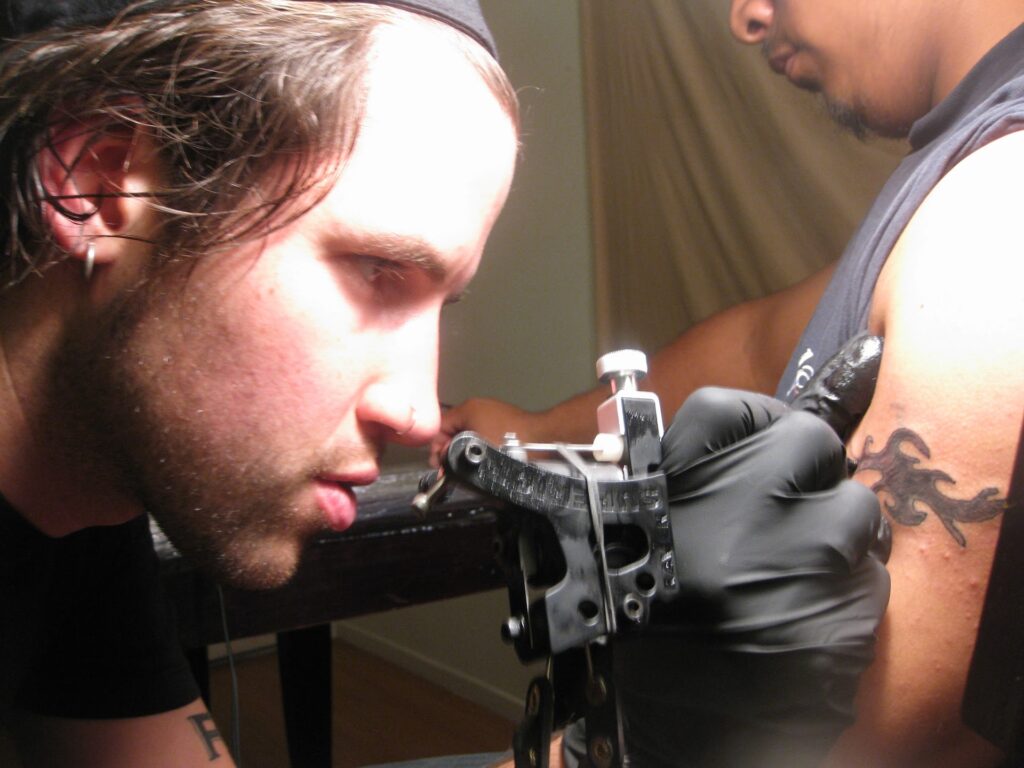
One year to the day that Chris and I filled a 2006 Corolla with everything we owned and drove to Los Angeles, he came home with the tattoo gun.
This is a review of my 2024 and a public sharing of 2025 goals.
At the end, I share why I do this and my process for reviewing the year.
To summarize: This helps me look back at what worked, what didn’t, and what I want to focus on in 2025. I have to pause, reflect, and be honest about where I’m at—and where I want to go.
Let’s jump into it.
🎩 2024 Recap
Remote Life OS
My 2024 goal:
Make $50,000 in 2024 on the side, with only one product, one offer, two channels, with better processes and no hiring.
I missed the goal by more than 50%.
I also wrote this in last year’s goal setting:
I’ve been at this juncture before. Product in the can, on the verge of “figuring out” this business. The biggest mistake I make at this point: I ignore the constraint. I focus too much on the routine (and having a “process”).
I had way more success here. I focused on executing, and just solving the problem in front of me.
For example, the common mistake here is investing time to build a channel before testing the offer. I could have spent 6 months building an audience on TikTok before testing the offer again.
It’s not that TikTok is not a good channel or the wrong channel, but this would be the wrong sequence.
If you don’t have an audience, just direct sell. You’ll learn 10x faster direct selling an offer than wasting months (or even a year) building an audience… only to STILL have to validate whether they’d buy your offer.
Every iteration of LARJ taught me something new. Key milestones:
Create a compelling offer. A compelling offer is clearly defined, promises a specific outcome, and reduces as much friction as possible. Learn the problems people face, then share how you’ll solve these problems, point by point.
Three cohorts completed. Each time the program improved, and each time I doubled the price.
Lean approach. I ran each cohort out of Notion, Zoom, and WhatsApp. I sold over LinkedIn and email messages, with a sales page I put on Notion. I didn’t even create a proper course until the end of the year, and still managed to sell about 10 units of just the course itself, without the cohort experience.
Why people buy. Customers buy for different reasons. Some want a process. Others want accountability. Others need a sounding board. You don’t need to be all things to all customers to give them great value or get them results.
Family
Last year I wrote:
The best thing you can do for your family is to give them the best version of yourself.
There’s a corollary to this that I’m starting to wrap my head around:
The next best thing? Help them be the best version of themselves.
Here’s an example: sometimes the kids want pancakes on a school day. If they ask me, there’s no way it’s happening. I’m trying to shovel eggs into my face while carrying a baby and packing 3 lunches.
Ain’t nobody got time for pancakes.
Amy’s response?
Buttermilk or chocolate chip? How about both?
For years, I thought the path to becoming a better dad was to make the damn pancakes.
But as Amy worked the griddle, and I cleared the dish rack, changed Theodore’s diaper, and packed the kid’s school bags, it dawned on me:
I don’t need to be the parent that makes the pancakes.
I can be the parent that makes the time and space so someone else can make the pancakes.
In other words: sometimes the best way to be a great father is to be a great husband.
Other family highlights:
Theodore. And a six-month paternity leave to spend with him. You can read his birthday letter here.
Oliver and Annabel. Watching them continue to grow closer together as siblings
Culture over rules. Culture is what a group of people do and don’t do. That’s how we’ve framed our expectations for the kids: this is how we behave in this family. Last week, Annabel reminded an adult to take off their shoes in our apartment. Something is sticking.
More tools in the toolbox. This means more ways to be a better parent. Which makes parenting easier, and more fun.
3 family weddings this year. I love weddings.
We spent the summer in Ireland. And spent a lot of time with family in Dublin and Cork.
Work-life balance works both ways. WLB can mean canceling the afternoon because Theodore came home sick with a fever. It can also mean working weekends. WLB cuts both ways. That’s OK.
Always be investing in family relationships. You never get to stop investing in family. The corollary: Investment works both ways. Invest back into the people who invest in you.
Friends & Network
In 2024, I said I wanted to deepen existing relationships with standing lunches, catch-up calls, and standing weekend hangouts.
I did OK on this in the first half of the year. It was less of a focus in the back half after Theodore was born and we went to Ireland for the summer.
My good friend, Chris, passed in a motorcycle accident before Thanksgiving this year. We moved to Los Angeles together. We got our first apartment together, waited tables together, got started in Hollywood together. I always thought we’d have the chance to run it back down memory lane. Now he’s gone.
These things are the reminder you need: life is short. Make time for friends.
Career
At Persefoni, I built one of the first free carbon accounting tools. Any person or business could create an account and calculate their carbon footprint, even if they didn’t know anything about carbon emissions. I loved being deep in the trenches in climate tech, and working on this with smart, passionate people. I came into the industry with zero knowledge and learned a lot.
I phoned in the first half of the year, though. My motivation was low. One part because I was looking forward to paternity leave, one part internal factors at the company. I checked the box but my heart was into it.
Coming out of paternity leave, I started interviewing for my next role. Then realized now was the time to build under my name. More on that below.
Health
In 2024 I fixed my hip and glute pain. The root cause was my feet. Getting better shoes, getting insoles, and regular stretching did the trick.
I continued to train BJJ and weight train. I always find my way back to consistency, after Theodore, an injury that kept me out of training for 3 months, and extended travel. Without working out with a trainer, I still struggle with intensity.
Money
I used to work with a financial advisor. There was an exercise where we had to list out dream assets. Top of my list: get a minivan. #dreambig We bought our minivan in 2024. It feels like a luxury every long drive we take.
We’re back to a 25/25/50 savings, investing, and spending rate.
I switched from Kubera to a Monarch for day-to-day and net worth tracking. I’m loving the app.
Leisure/Travel
We spent the summer in Ireland. Saw the Taylor Swift Eras tour and the All Ireland semi-final in Croke Park. Oliver got really into soccer, and we saw old friends.
I went to Vegas for my cousin’s bachelor party.
I wanted to take trips to Budapest and Nashville, neither of which happened this year.
🗺️2025 Planning
My 2025 theme:
Take risks under your name.
h/t Naval Ravikant
Summary:
Grow RLOS to $100K business. Build a pipeline for consulting. Invest in family. Build community. Consistency in health. Downpayment banked for a house. Organize our business finances.
Remote Life OS
I’m moving RLOS off the back burner. It’s on the main. It’s time to give this an honest go.
The revenue goal is $100,000. I think I’ve said this in past updates, but it feels simultaneously ambitious and sandbagging. Time will tell which.
The core of Remote Life OS will revolve around my cohort-based course, the Land A Remote Job (LARJ) program. I’ll launch three 30-day sprints. I’ll continue to offer a coaching and self-paced tier.
Consulting
Consulting has been a part of my career portfolio since 2021. I help experts build million-dollar courses.
This year’s challenge: balancing RLOS with consulting. I want RLOS to be the main focus. Consulting is just a hedge, a way to make my monthly nut while I’m building RLOS.
I think I could make the math work so I could focus ONLY on RLOS, but I’m naturally risk-averse and that’s only increased with each car seat in my minivan.
But it doesn’t always work that way.
My ideal: I’d consult for 15-20 hours per week, and have enough pipeline where I’m not chasing work. That’s enough to replace my w2 income. Then I can spend the rest of my time on RLOS.
Family
I want to be involved with the kids’ extracurriculars: this will probably take the shape of coaching BJJ or soccer for them.
I want to continue investing in family, scheduling it ahead of time so that it happens. That includes more date nights with Amy.
I’m going to take more pictures.
Finally, I also want to be less petty. Earlier, I said:
Invest in those who invest in you.
The corollary to that is:
Take in that data. Be realistic. But don’t be petty. Pettiness is poison. Life is too short.
Friends & Network
Keep building relationships here in Philadelphia. Re-start soft networking in a sustainable way. Pro tip: upgrading my Calendly account and having different calendars for catch-ups, work, etc. makes this really easy.
Stretch goal: host work and networking events in Philly.
Health
Focus on consistency: BJJ 2x per week, weight train 3x per week. Start incorporating cardio, not sure how yet.
I’m not going to worry about intensity. I’m not going to compete in any tournaments.
Money
I want to have enough saved for a house downpayment this year. I’m estimating a purchase price of $800,000, which means $160,000 down.
I’ll sell my crypto holdings and keep up automatic investments to get there.
I also need to get Amy’s and my business finances in order, for tax and investment efficiencies.
Leisure/Travel
Spring: Visit my brother and his wife when they have their first baby. Celebrate Theodore’s first birthday. Host a karaoke party for my birthday.
Summer: Oliver’s birthday, wedding in Denver, maybe a trip to Dublin, family trip to the Poconos
Autumn: Annabel’s birthday, Nashville trip
Misc: keep playing chess, reading, watching movies
🛝Fun Stuff
I watched 38 movies this year, same as last year.
Random standouts: Wicked, It’s What’s Inside, The Substance, Dune 2, Hit Man, Snack Shack, My Old Ass.
Wicked and Dune 2 I loved the most.
It’s What’s Inside and Snack Shack were surprise hits.
I read 18 books this year. Last year I read 14.
Some gems in no particular order: Demon Copperhead, Dune, Chain Gang All Stars, Service, The Poisonwood Bible, Later, Presumed Innocent.
🤔Why do this at all?
Why document it? Two reasons
First, the Bill Gates quote sums it up:
“Most people overestimate what they can do in one year and underestimate what they can do in ten years.”
We’re capable of great things. They just take time.
Second, Having joy, treating things joyfully in what’s considered mundane.
To gain greater enjoyment from your experiences, try practicing anticipation and reminiscence. Both are forms of savoring—ways to convert positive experiences into positive emotions
We can also savor an experience after it happens—a savoring style called reminiscence. We reminisce by reliving an experience in our mind, looking back through photos of an experience, or talking about it with a friend or a loved one.
In other words: there’s joy in looking back.
⏪️How I Review My Year
My process:
1. Review and retrospective on the last year.
I review:
Photos
Google photos
Swarm check-ins
Instagram
Google Calendar
Then, I review my notes on Roam. I put these in six buckets: Long-term projects, Career, Relationships, Health, Finances, and Leisure. For each bucket, I think about: (1) What went well (2) What could be improved.
2. Plan the next year.
I review notes about (1) my long-term goals and (2) my Perfect Tuesday. These are my North Star metrics as I plan what I want to accomplish in the new year. (I cover long-term goals, including specific $ I plan to earn, here.)
Finally, I keep the following in mind:
“Plans are worthless, but planning is everything.” – Dwight D. Eisenhower
Success is measured by inputs and intention, not blindly following a set path.