A month before we left, a friend asked if he could tag along with us.
He said he needed out: out of Albany, out from his family, who had his back since forever, really. It was the reason he stopped trying in high school:
A month before we left, a friend asked if he could tag along with us.
He said he needed out: out of Albany, out from his family, who had his back since forever, really. It was the reason he stopped trying in high school:

You’re moving your life away from family and friends.
You’re leaving the house you grew up in, the street where the school bus picked you up. Love or hate where you’re from, at the very least, you know it. And by leaving, you sacrifice your knowledge of the terrain, the edge of familiarity – so you better know why you’re doing it.

He watched.
Caress with the index’s paddy flesh paddy, then square off the block of rice. With two fingers, shape it: give it a curl that’d make Goldie Locks blush; an arc so gentle baby’s bottoms gives it a rash. Rotate, and repeat. 21. 22. 23. Rotate, repeat. Rotate, repeat.
It takes 10,000 repetitions to achieve mastery.
26. 27. 28.
“Let me show you something.” From the bar, Joe come-hithers with a wagging digit.
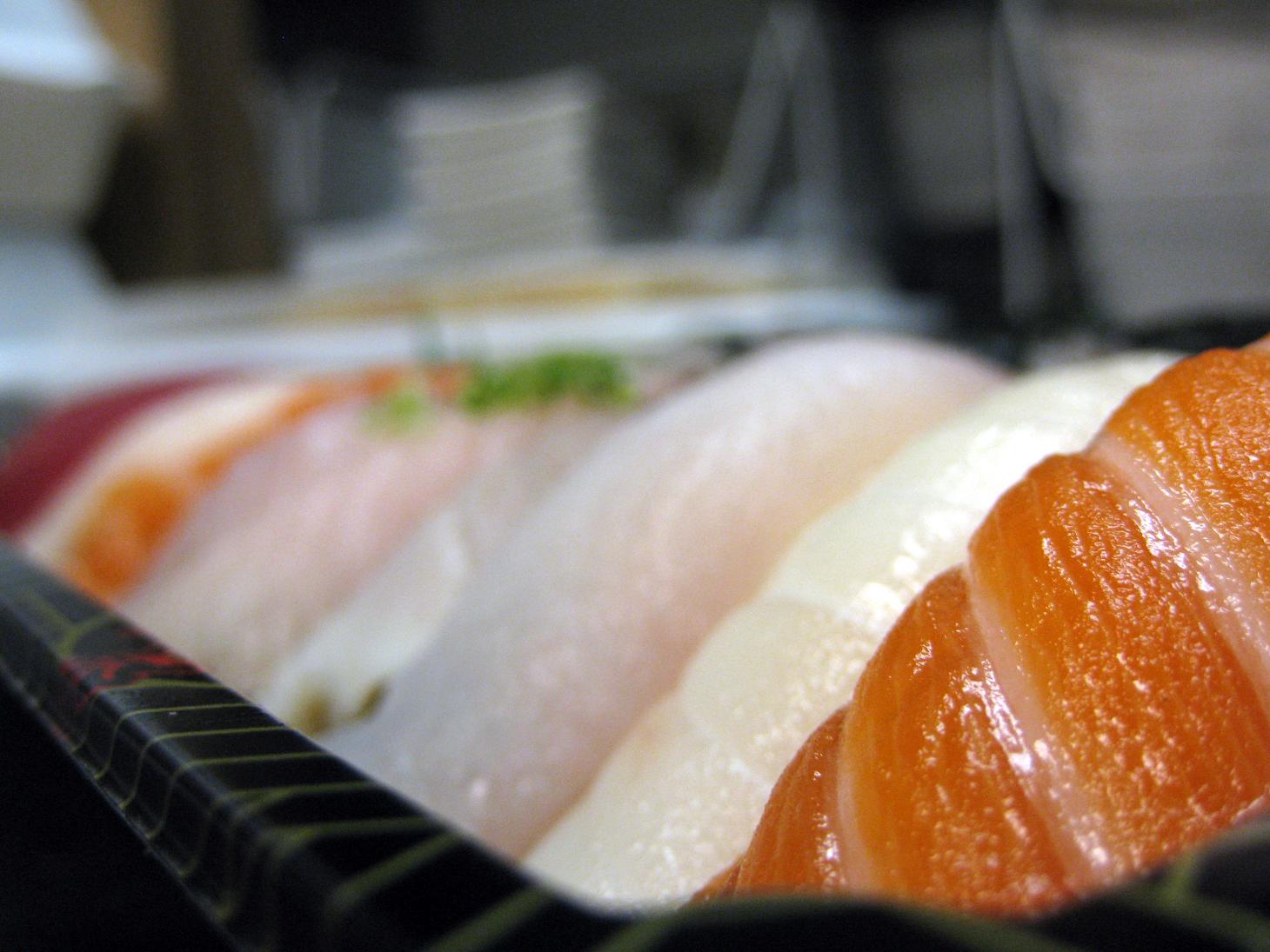
He plucked the Saran wrapped rice finger without a raised eyebrow. The sliver of warm sushi rice, encased in a sheet of plastic would prompt questions from most, but it isn’t Joe’s first time. hardly
“It’s about being fast, right? You got to be quick, doing sushi. So when you first take the rice, don’t start by rolling it up into a ball. Roll it into a cylinder,” he demonstrated, whirling the rice morsel in his excuse for a right hand. It’s more the size and texture of a baseball mitt; dark and leathery, the color of chocolate, capable of fielding blinding hot grounders or crushing the skulls of children and smaller horses. It can get surprisingly surgical, too; his fingertips manipulate the grains more skillfully than a Boardwalk full of rice scribbling scribes trying to make a buck. In seconds, his sliver of rice is the correct proportion to top with sushi.
 “Then, when you’re squaring off the fish, do this first.” He squared off the rice; a block with rounded corners, then with deliberate slowness, he slid his hand into First Position, the Caressing Index Finger.
From there, he slipped into the Shaping Position, adding an arc that’d make Greek architects tear out their hair and bring the finest NBA 3-point shooters to their knees.
Joe’s sushi making was a streamlined methodology, one honed with his own 10,000 repetitions. He shaved off every possible millisecond and discarded every wasted motion from his procedure. He once managed Ichiban, a speedy sushi spot that churned out 200 plus checks on nights this restaurant clawed for triple digits. He saw his share of sushi before he quit, to open his café in downtown Albany.
“Owner of Ichiban, no good,” his girlfriend Tracy said a few days ago. “He make Joe do lot of work, and Joe have to make specials, too. But he always say, Joe, you not do enough work.”
“And Joe, he always outside,” she continued, “Talking to customer. So they thinking he owner. But Owner, he has to stay inside and cook, and get mad at Joe. But he not tell them this thing, they just thinking it.”
Joe’s ruddy face was serene as he continued explaining sushi’s finer points. He was either unaware or unmoved by his previous employer’s indiscretions. “The most important part of sushi is the rice,” he said. “The rice has to be right, and it’s got to be right the first time. You don’t get a second chance.” He imitated laying the rice to the fish. “When the rice touches the fish, it sticks because of the vinegar and the sugars. It won’t stick if you try using the same piece of fish twice. And when you roll, you got to roll with your fingers tips.” His mitts became cat claws, and he mimicked raking across the table. “Don’t do it like these sushi chefs; you can’t mash rice on the seaweed, you know? It’s got to be fluffy, or it’ll taste bad.”
He leaned back in the bar chair, and stared up at the television screen through his fashionably square glasses. “Oh my god, my master, he put me through hell like you wouldn’t believe. Eight months, and all he let me touch was the rice – wouldn’t even let me make a California roll. Would you believe that?”
Harder to believe Joe’s decision to give it all up, and turn his back on the time he invested into his training, the 10,000 and 100,000 and 1,000,000 repetitions he underwent to reach his current level. Mastery might lie somewhere in the 10,000 repetition mark, but how many more does it take to know this isn’t what you want? How long after working out the finer points before reaching the point where nothing’s fine?
Joe offered one more tidbit. “Oh, and sushi is supposed to look alive, okay? So don’t make it look like a brick; give it a long tail, so it looks like its swimming. Make it look like a fish.”
No one asked Joe for his advice. No one requested his expertise. But in his café, when he stands behind a deli counter, surrounded by cappuccino machines and milk steamers and triple-shot-espresso-soy-milk-no-foam-latte shenanigans, that mastery will amount to nothing. Offering the fruit from his labors is his one more last chance to make use of his skill set, before embarking on a new 10,000 repetitions.
He returned the sliver of sushi rice in the Saran wrap. It was still warm.
Photo Credit: Cedric Fischer

Most people jump at the opportunity of “free.”
At the end of our serving shift, I told the other server our tips were a dollar over, and I wanted her to have it. She tried shrugging it off. She continued pushing the vacuum cleaner over the tan carpet. “Don’t worry about it,” she said.
I insisted. I told her I left it in my pocket and almost forgot it. If she didn’t take it, the guilt would eat me.
She thought about it for a millisecond. “Okay. I’ll take it. I’m poor,” she said with a short laugh, then, just as quickly, “just kidding,” as she shoved the money into her hip pocket.
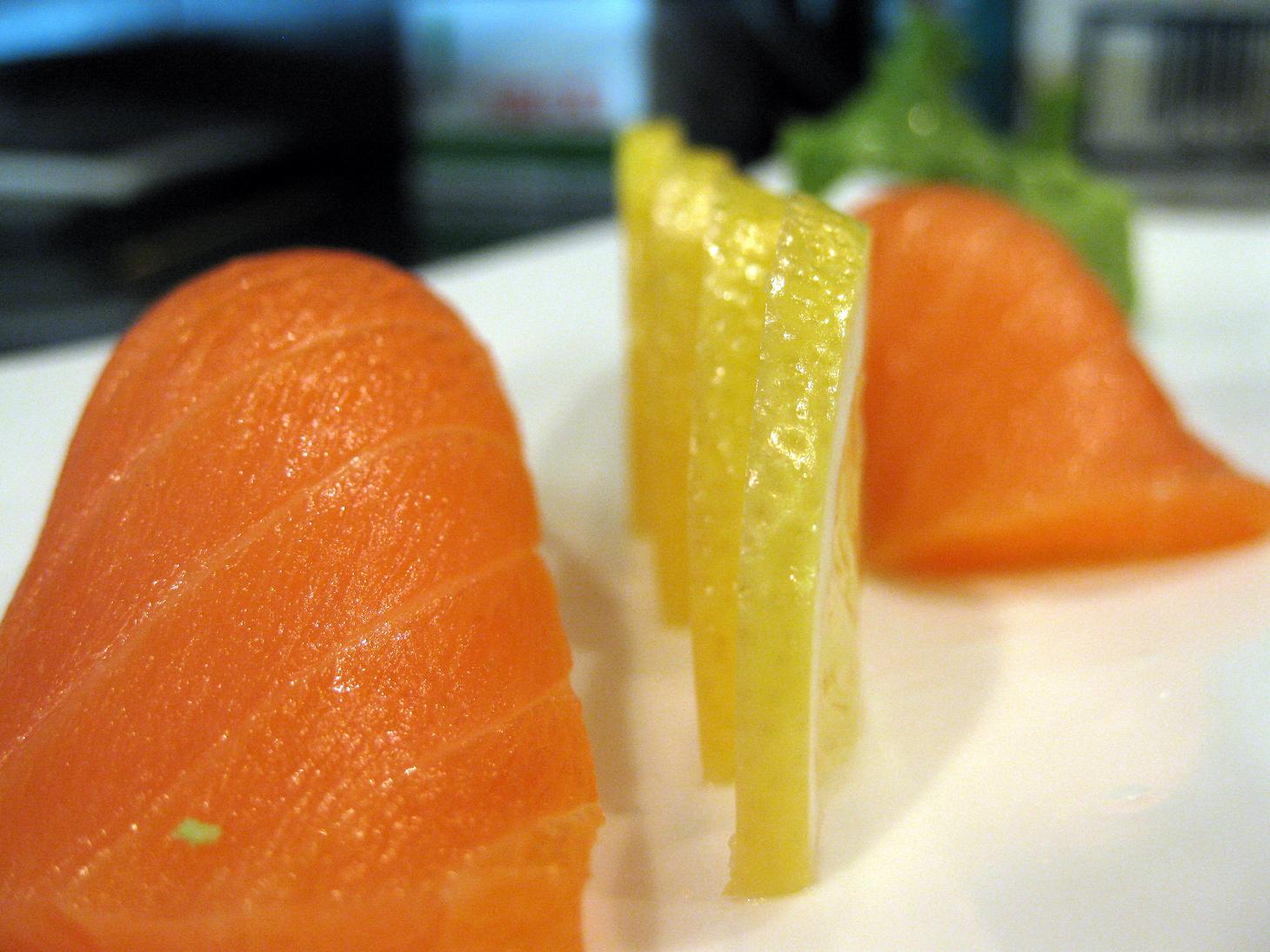
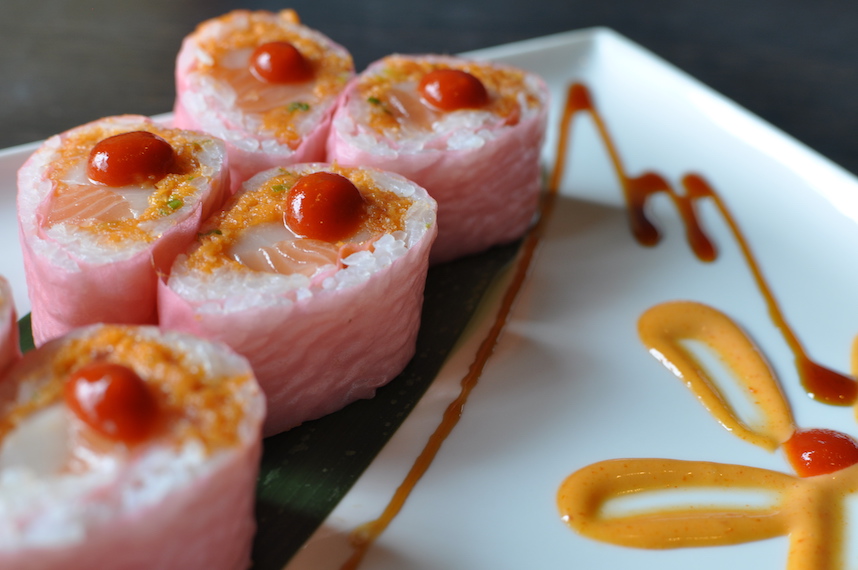
For Karen, the Lobster Meat Summer Roll was love at first sight – filled with delicately cooked lobster meat, fresh spring mix, mangoes and strawberries. The sushi chefs wrapped them in rice paper, then drizzled a tangy Thai citrus sauce on top, and perched it upright in a tantalizing balancing act. “Oh, that looks good,” Karen said.
So good, in fact, that when she saw Tracy carry an unfinished piece back into the kitchen, her eyes grew to size of saucers, lustful, in hope and anticipation. “Oh,” she said softly. She quickly followed Tracy in. She asked, “Are they going to take that home?”
“Uh, no,” Tracy said.
“Good,” and with one swift bite, it was gone.
Wei-Yi breathed in figures and numbers, and spat out the results in different languages. She couldn’t pick up how to be a good server, however. She didn’t last long. Yet she forced the restaurant to limit the post-shift meal (and its 50 percent discount) to one item.
“How come you’re ordering so much?” Alan asked, watching her ring in her and her boyfriend’s dinner, as well as her lunch for tomorrow, into the computer.
“Well, it’s 50 percent off. Why wouldn’t I order a lot?” she said.
Kathleen, who eventually replaced Wei-Yi, had a similar mentality. She shared the same cluelessness about restaurant work, too (though she remained blissfully free of the intelligence.) Once, she forgot to remind our Head Chef to keep mushrooms out of the Sautéed Noodles. The dish came out incorrectly, and that the fault lied even remotely upon her never crossed her mind. The notion she should offer to pay for the wasted dish – beyond her grasp.
Instead, she volunteered to eat it.
“Oh, I was hoping you’d ask!” she replied when the owner asked her if she wanted it. “I love noodles!”
And you’ll find the sushi chef, Alan, constantly rummaging through the fridge, a stray Greyhound looking for its next free meal. The wiry 26-year-old – who’s first in-line for breakfast, lunch, and dinner – knows how to put the food away. Just as long as he doesn’t have to buy it.
Before the staff dinner, he came into the kitchen, and picked out a yellow banana – ones used for tempura dessert. “It looks like it’s going bad,” he said.
Frank sat atop an empty soy sauce container. He didn’t even look up from his newspaper. “So just eat it,” he’d replied, but Alan’s didn’t hear, already half-way through the banana.
The word “free” in “The Free World” has taken on a new meaning. “Free” has infected our consciousness, and today we’re a culture scrambling for handouts: checking Craigslist for rummage “sales,” or visiting BJ’s for free samples. Fans at a sports event will dive over three seat rows to get an extra-large t-shirt they’ll never wear, shot from an absurd cannon-contraption, simply because, besides their dignity, there’s nothing to lose.
Free downloads.
Free money.
Low shirt, short dress, and a seductive glance equals free drinks.
Free morsels on toothpicks – little pieces of Bourbon chicken you take not because you’re hungry but because they’re waving it in your face and jeez, it’d just be rude to refuse.
No sex! – but here are your free condoms, just in case.
Free HIV tests.
Free month supply of Extenz – “you just pay for the stamp!”
Free magnets, pens, pencils. Free meals, free lunch, free time.
Free Willy. Free mugs. Free ringtones, wallpapers, and Proactive Refining Mask solutions.
In this world dominated by “free,” it’s rare to find someone like Martin, who looks down upon the notion of handouts or charity. It’s rare to find someone who refuses “free.” On one slow Saturday evening, Frank planned on leaving work early to have dinner at a new restaurant down the street.
“Would you like to come?” he asked Martin.
“Uh, no,” Martin replied with a snicker.
Frank ignored it, as he did whenever he already made up his mind. Ten minutes later, Martin changed out of his uniform, and they put on their coats. “Can we do separate checks?” Martin asked, as they stepped out of the doors.
Before he left for the city one weekend, he ordered two Jack and Cokes for himself, and a martini for his friend. I told him it was on the house. He left a $20 bill on the bar anyway, went outside, and waited in the car that was warming up in the parking lot.
I followed him out, and threw the bill through the window, into his lap.
Two minutes later, he came back in and slapped it on the black stone counter. He gave me a serious look. “Ming, don’t ever take anything for free,” he warned. He didn’t elaborate. Martin rarely did. That was his style: put out a nugget of wisdom, and see who picked up on it.
Then he was gone.
It was this attitude, this nose-in-the-air defiance to the Free Movement, that earned him the respect of others. It’s why I respected him. Because a person who never takes is a person who does not need.
And a person who doesn’t need – wouldn’t you call that being “free?”
Martin wasn’t – isn’t, perfect. Far from it. He is still guilty of his own childish behaviors, susceptible to the whims and fancies of a 7-year-old child. Yesterday he tells you he’s getting married and moving to Indonesia. Tomorrow he’s living in Kentucky, working for another restaurant. Anytime someone tried to give him money, he made an unnecessary production of the affair, so that people had no choice but to recognize his principles. Kayleigh once tried giving him $5, for the coffees he bought her, but he refused the money. They argued for a few minutes, until Martin finally took the $5 bill, and threw it into the trash. Then he walked upstairs, with Kayleigh shouting at his back, “I’m not taking it back! It’s staying in the garbage can!”
“Fine,” Martin said.
Minutes later, Big Chef came running up the stairs, holding the $5 bill. “Money, money, money! Honey, your money!” Kayleigh laughed, and half-exasperated, half-relieved she didn’t just throw out good money, said, “Yes, Honey, my money.” She took the bill and put it into her apron. Martin smirked from the corner of the bar.
Someone once referred to him as a martyr, which is more accurate than not. I prefer thinking of him as a person with honor, though. A person with pride. He is someone who takes nothing for granted, here, in the Land of the Free. He knows there are notions and values that no one can just give away, with, say, two proofs of purchase and the cost of shipping and handling.
No. There are still some things you simply must earn.
Photo Credit: Gwen Wright
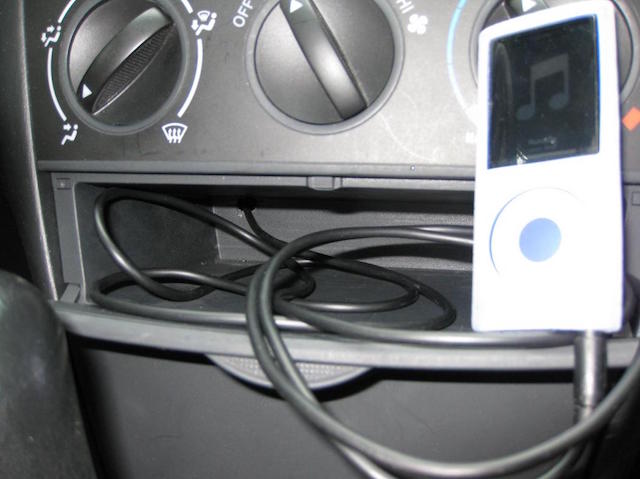
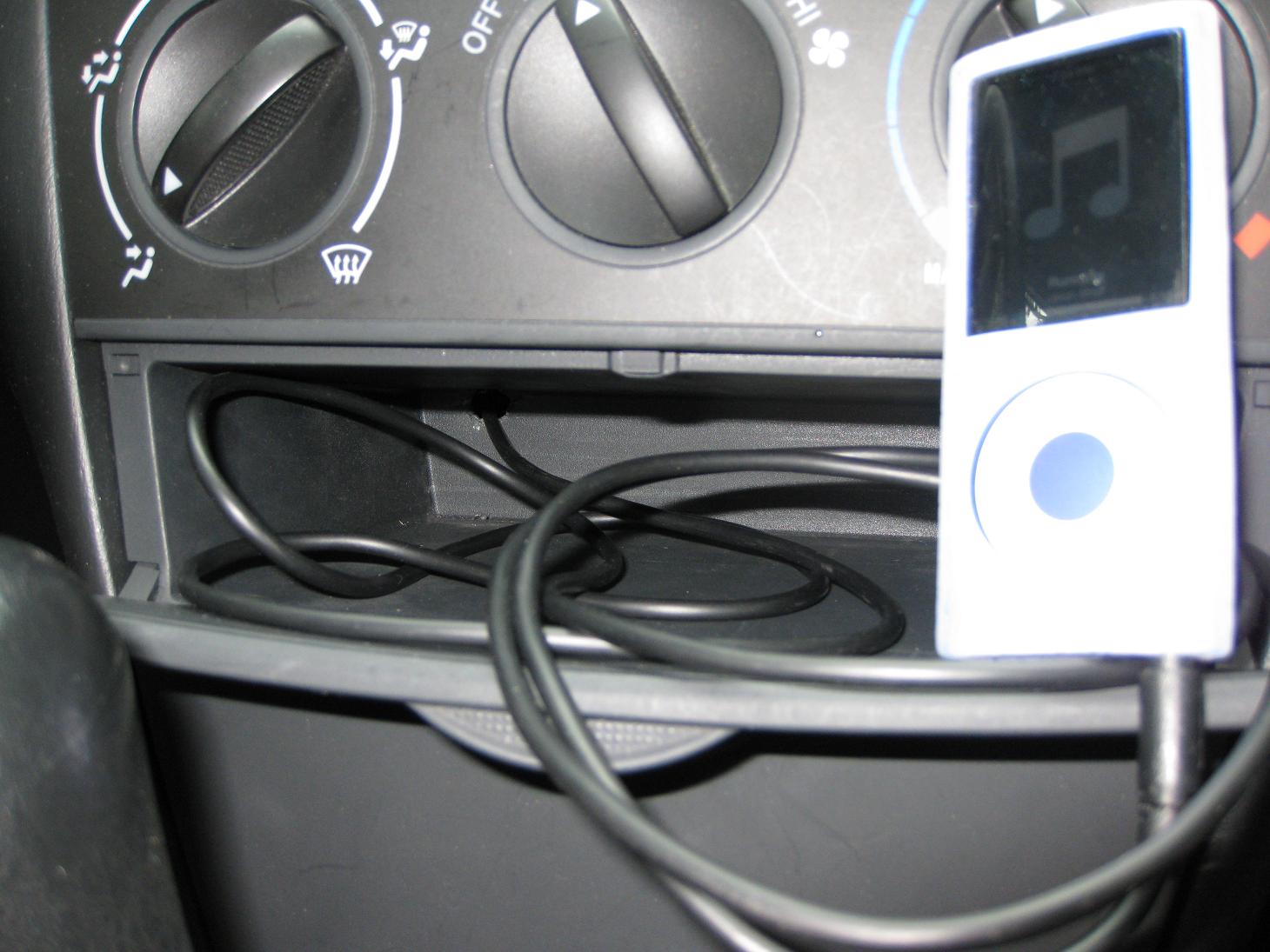
This hack creates an Aux-like hook-up from the stereo to an iPod, as pictured below.
To download a .pdf version of this guide, right-click here, and Save As.
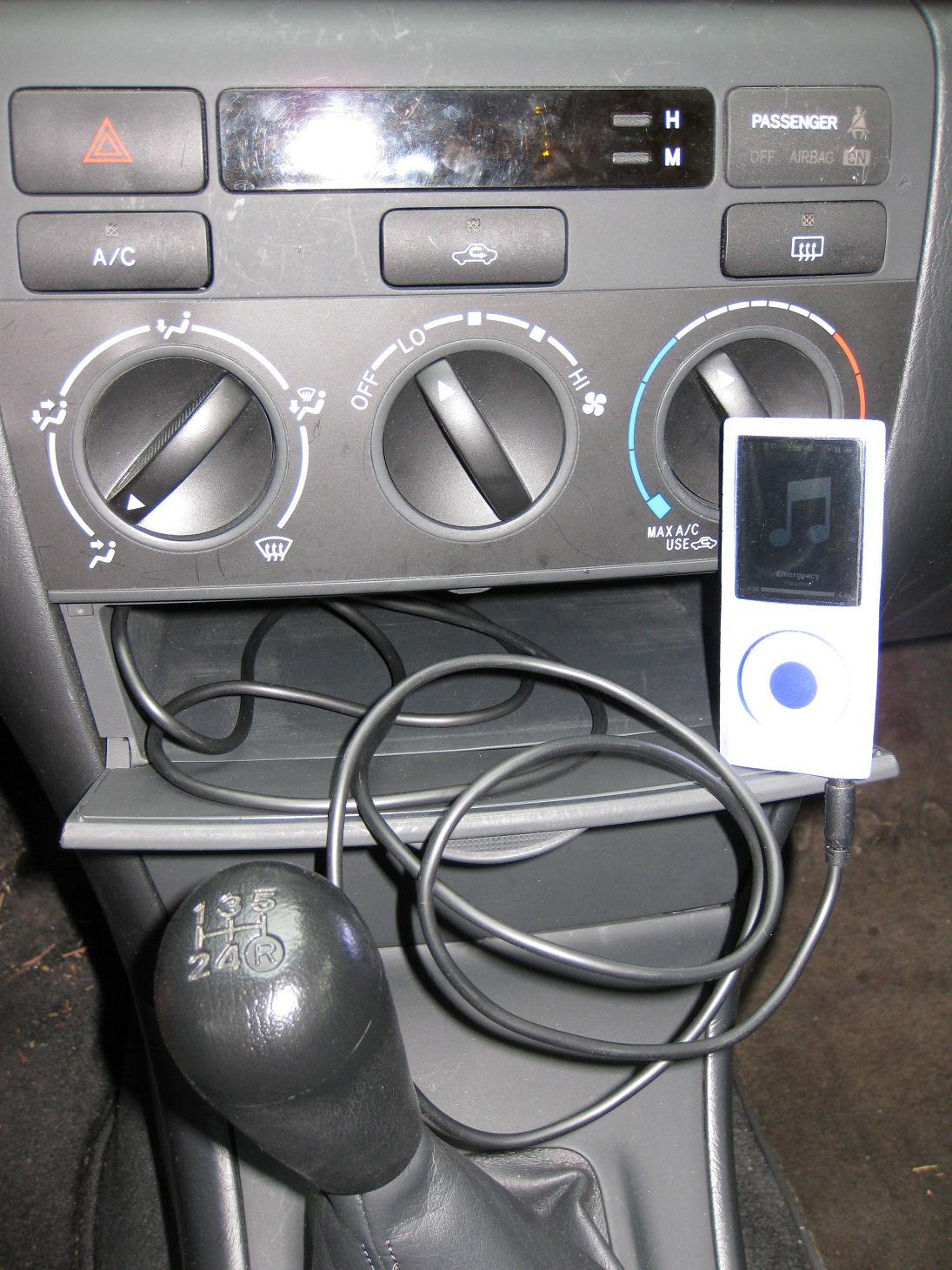
Introduction
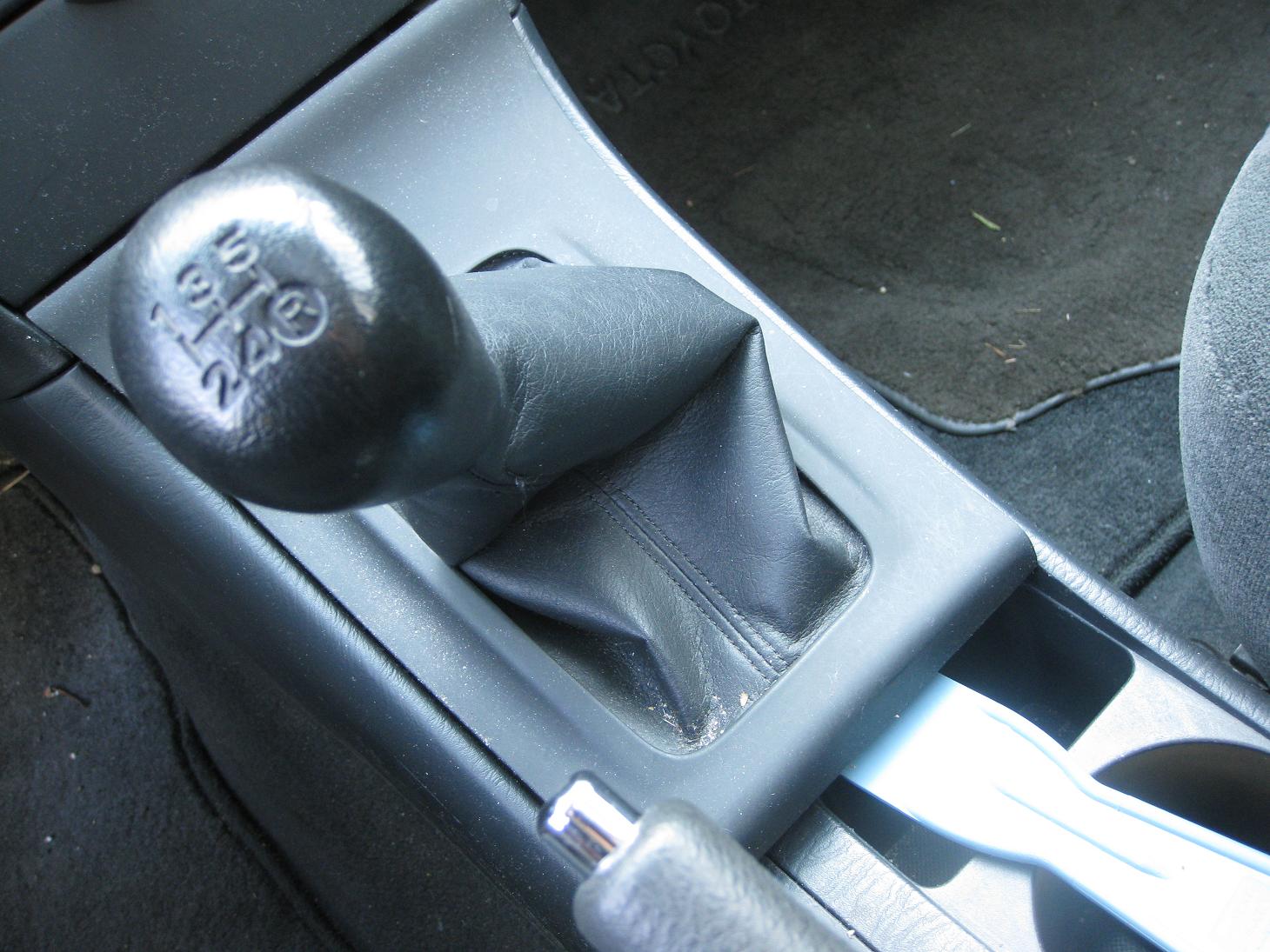
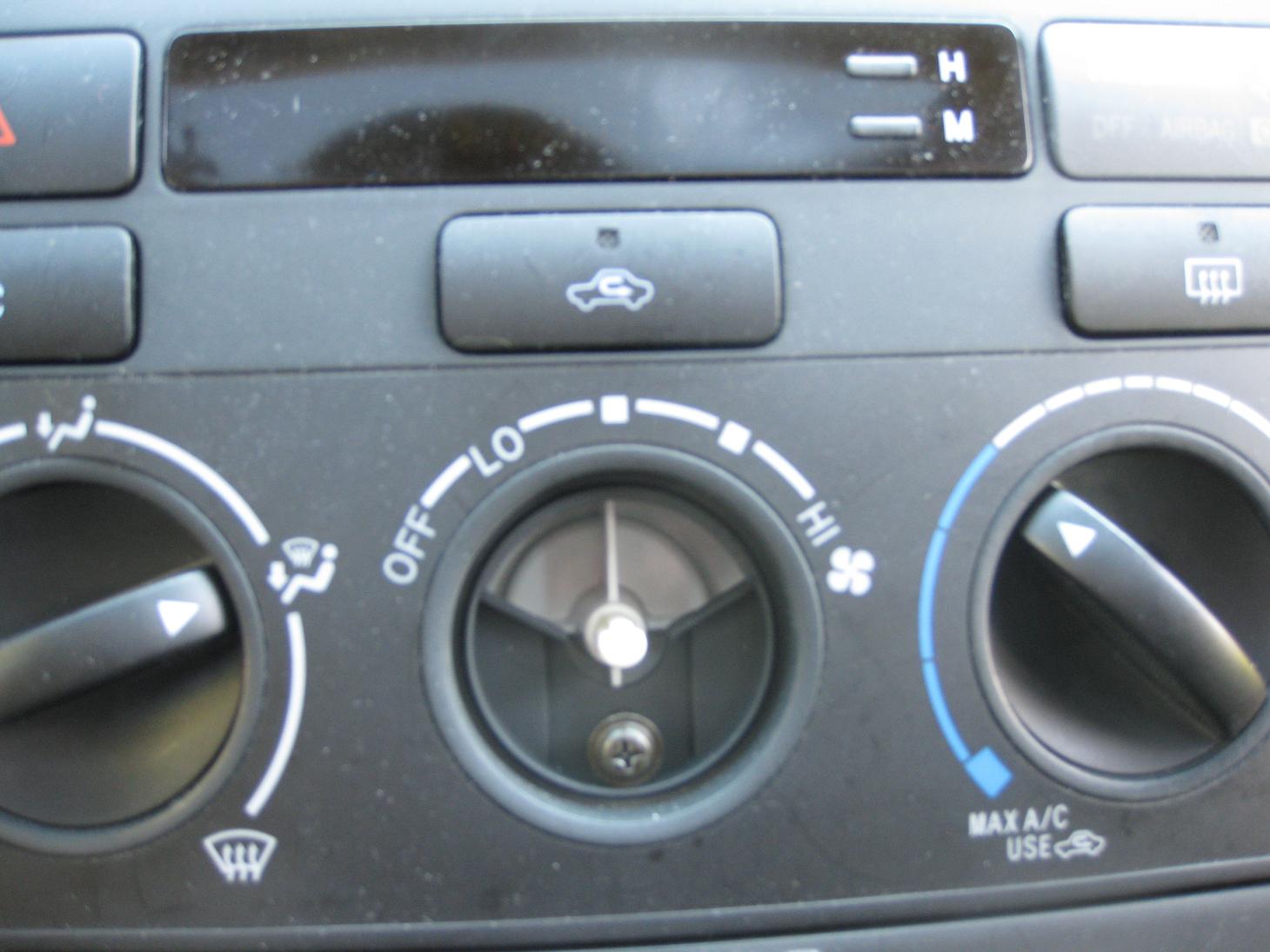
The hack was completed on a 2006 Corolla-S manual shift with a 6-CD Changer (model number: A51814.) The 2006 Corolla doesn’t have an auxiliary hook-up, and the stick physically interferes with a FM Transmitter – which sounds awful, anyway.
This hack was completed with zero knowledge about cars, stereos, or electronics.
References used:
Dante Cardova’s Stereo Removal Guide – no longer available
chrisayad’s Instructable
Matthew Jorgenson’s Ehow
Disclosure: Modifying your car and/or stereo may null/void any warranties, or cause irreparable damage. Working with a device that carries electrical charge may cause bodily harm. Proceed at your own risk; the author assumes no responsibility for any damage to the car, stereo, or yourself in following the guide.
Tools
Flat Head Screwdriver
Phillips Screwdriver
Socket Wrench
Paint Scraper (optional)
Wire Cutters
Headphone extension cable ($9 at Radio Shack – cut female end. Strip three inches to reveal three wires: red, black, and an exposed wire (gray))
Soldering Iron (requires a medium-level of soldering ability)
Solder
Silent CD (optional)
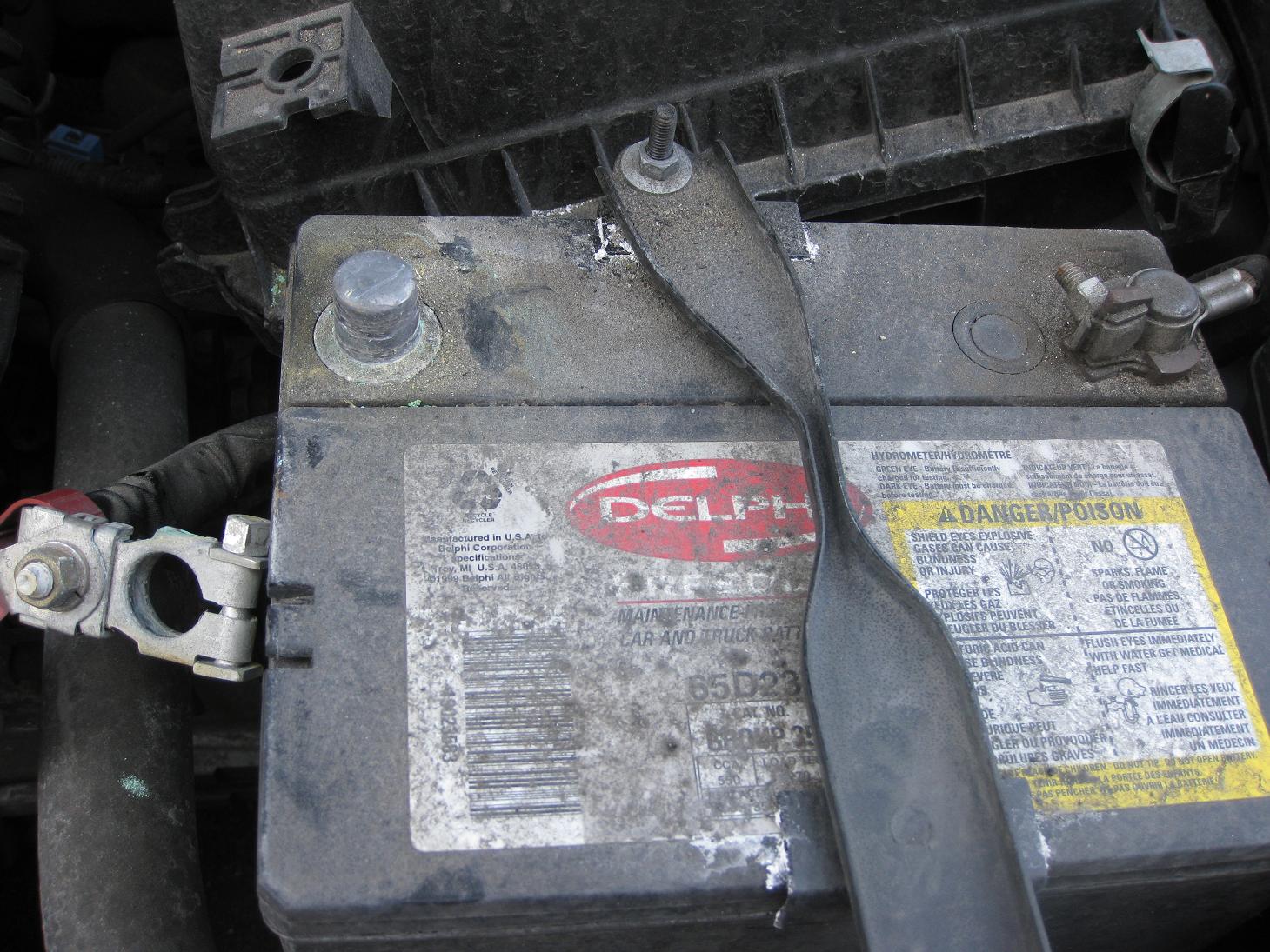
Stereo Removal
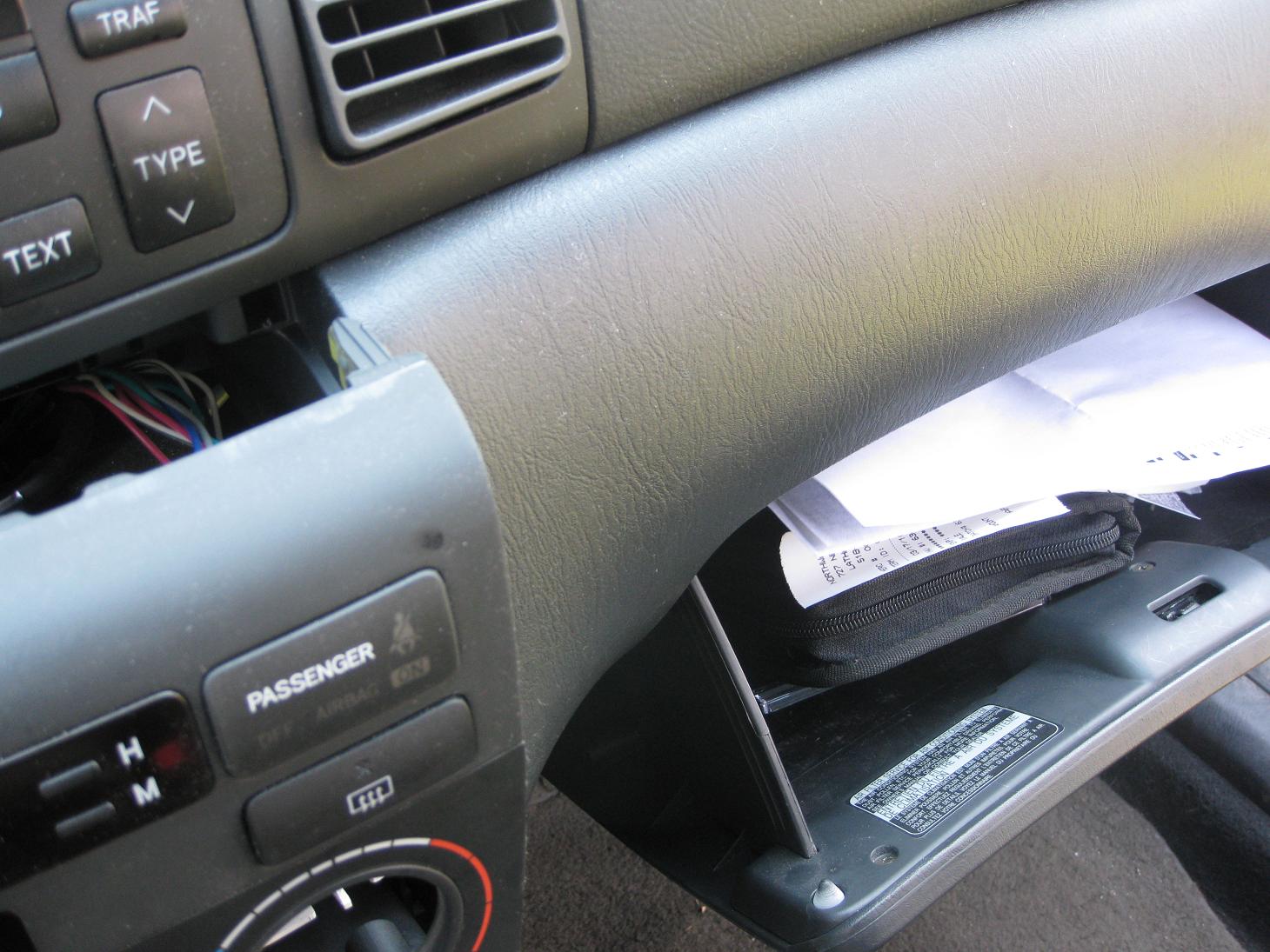
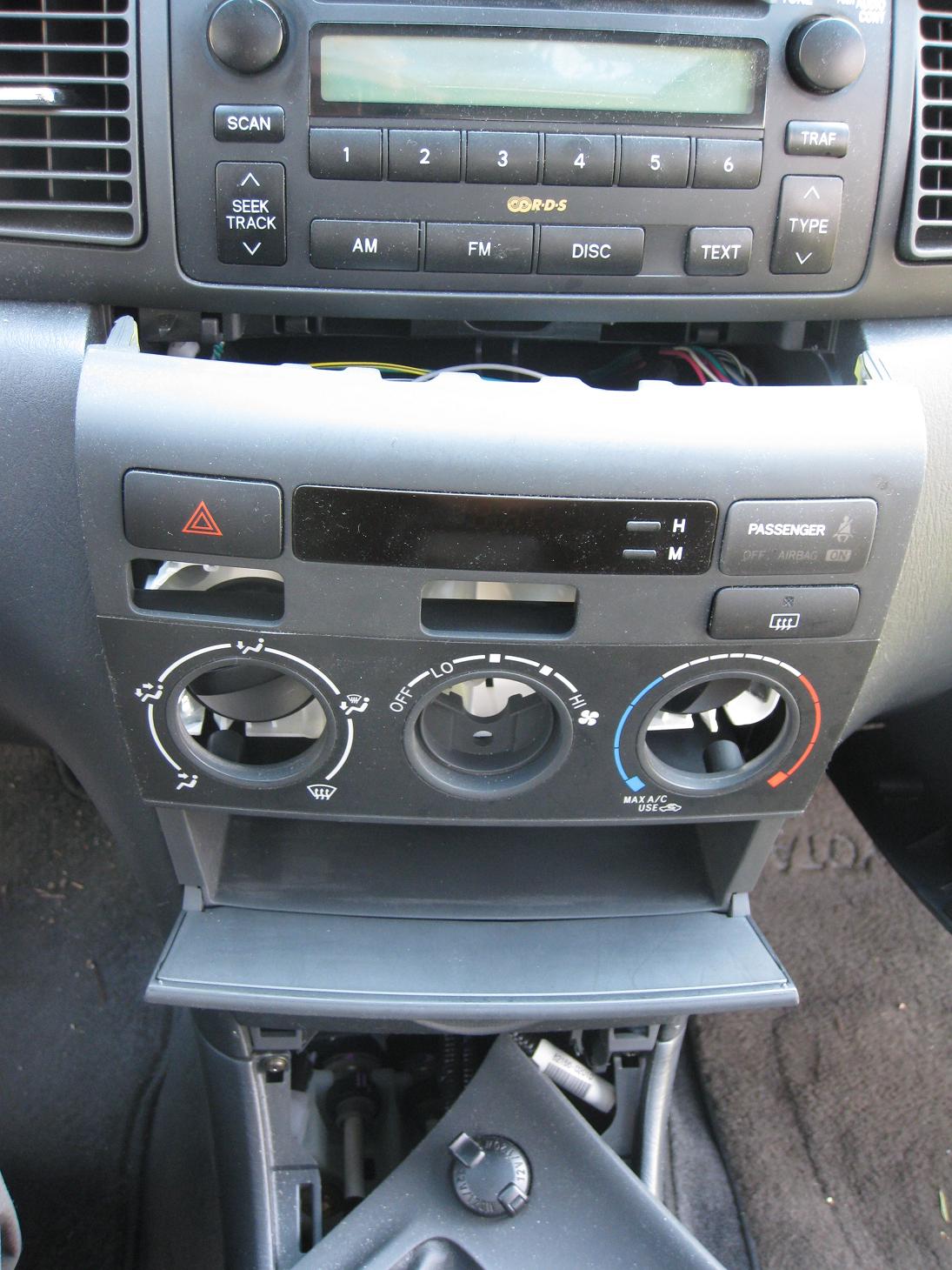
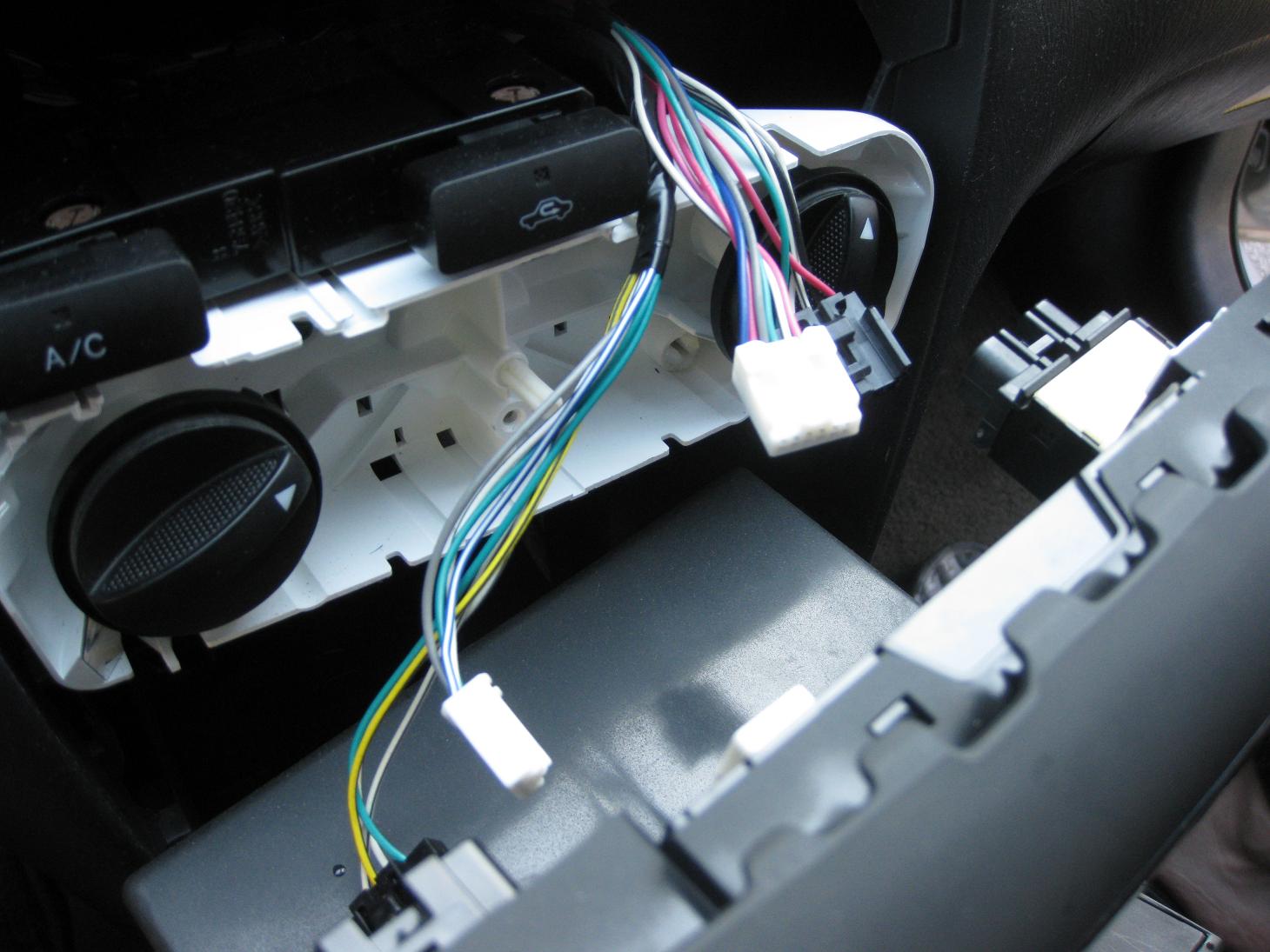
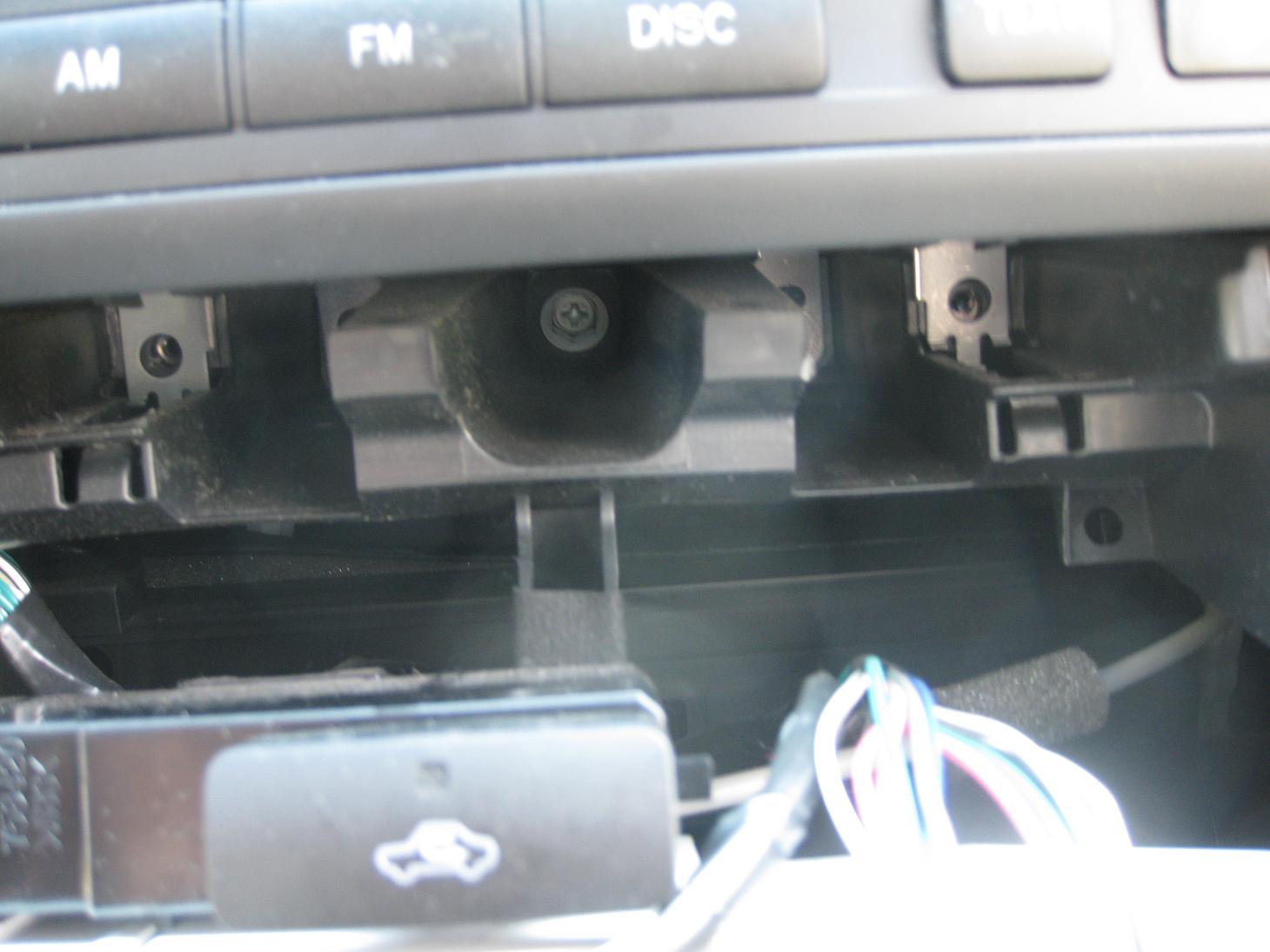
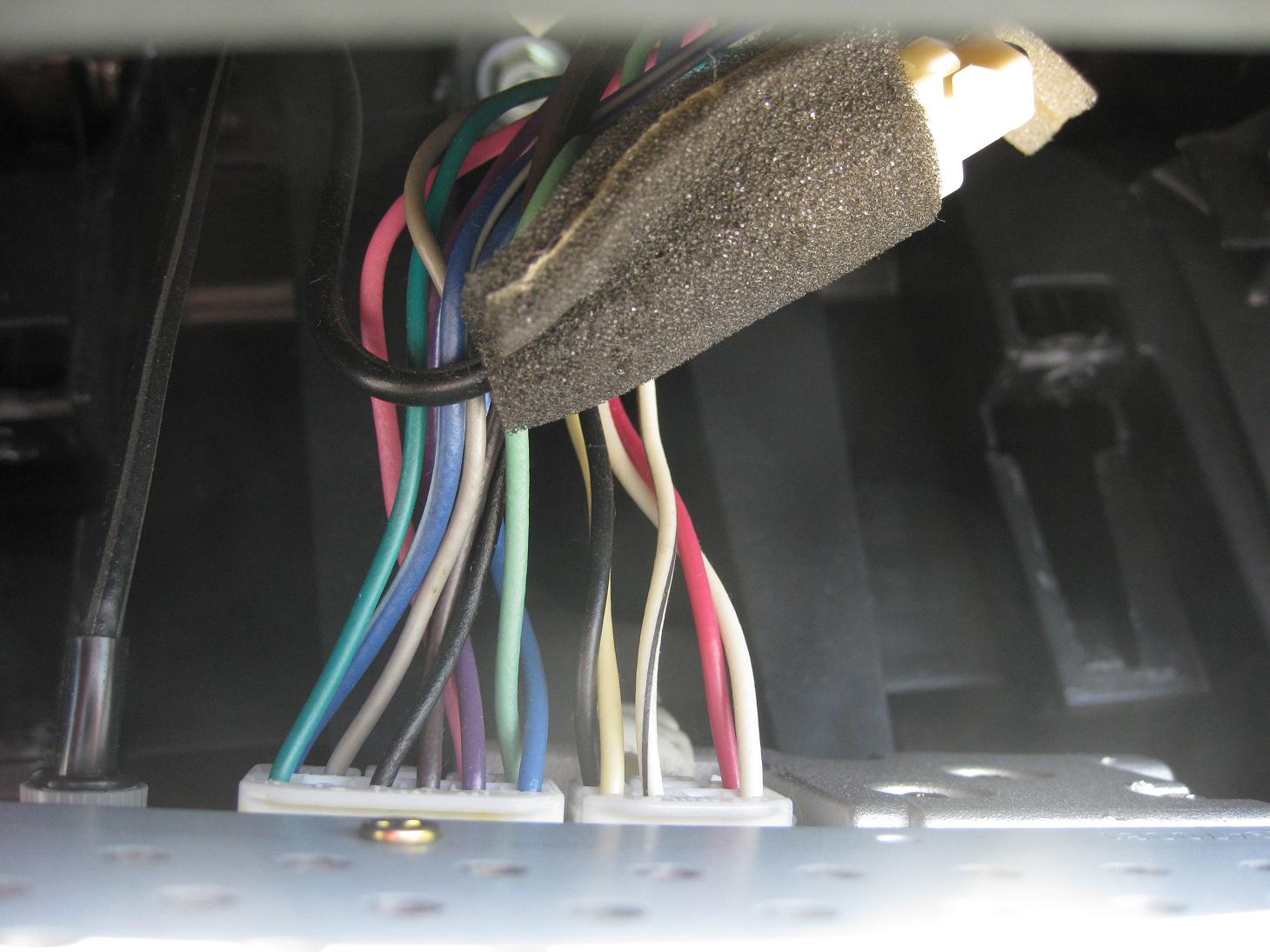
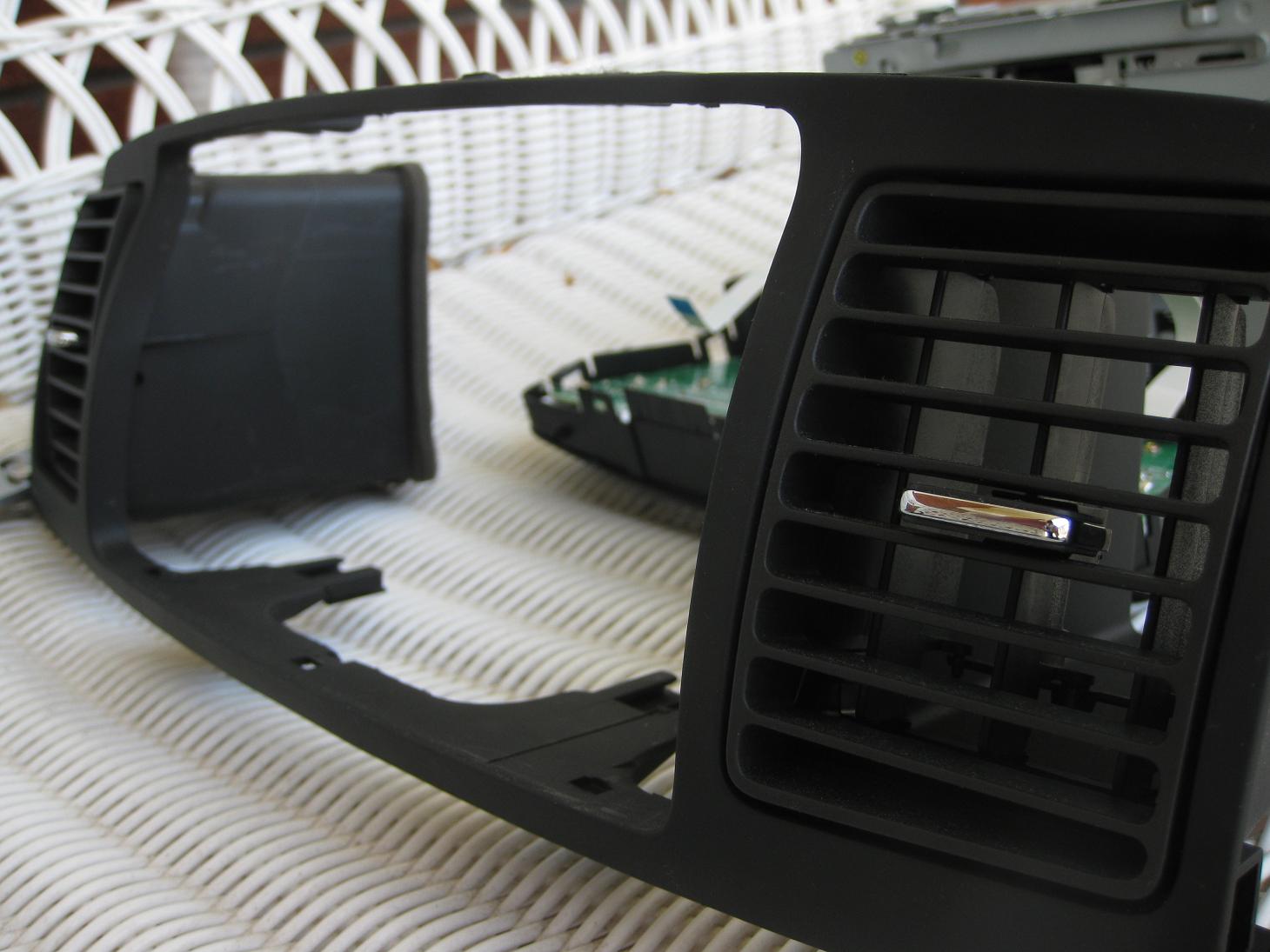 Stereo Modification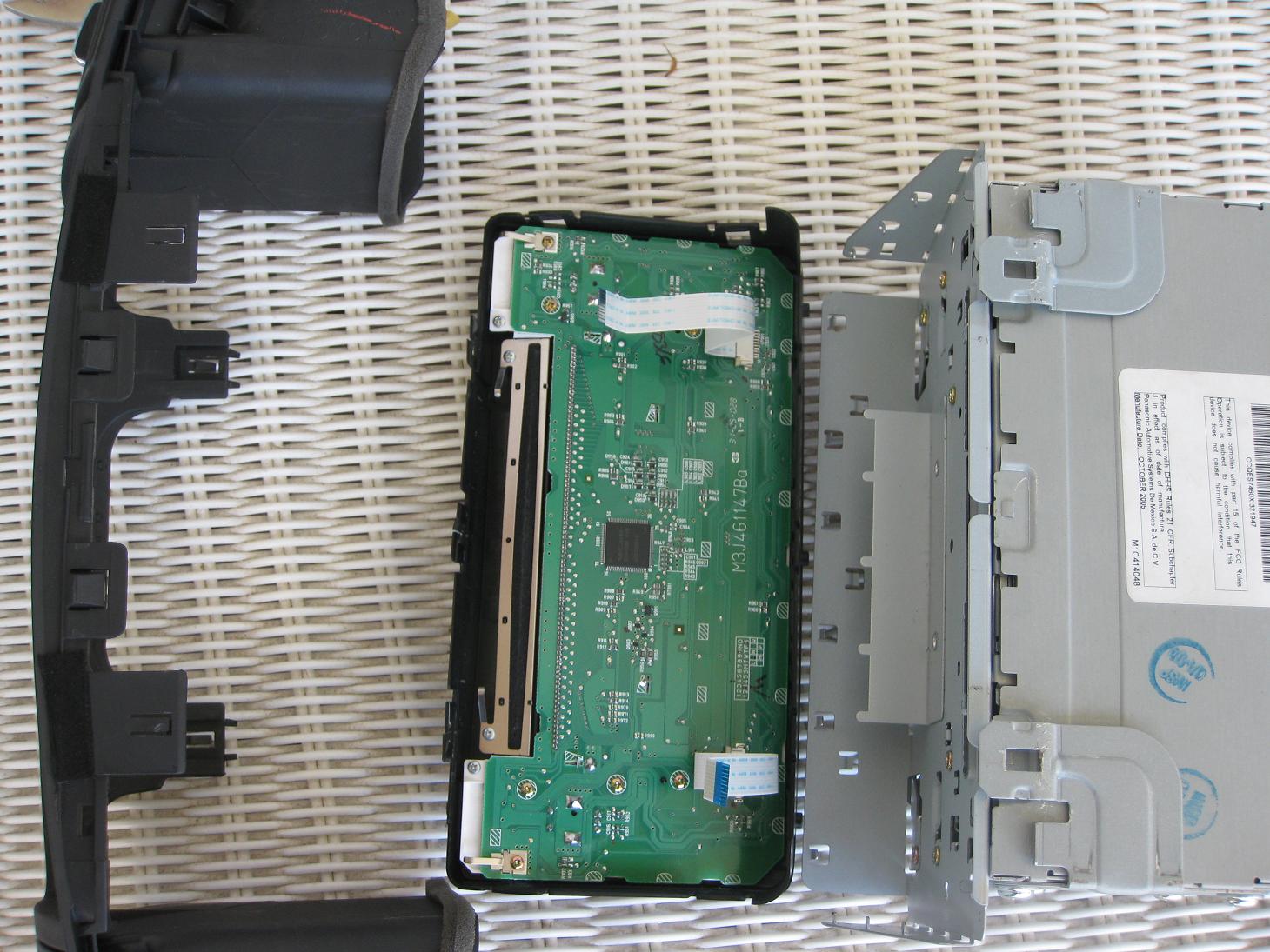
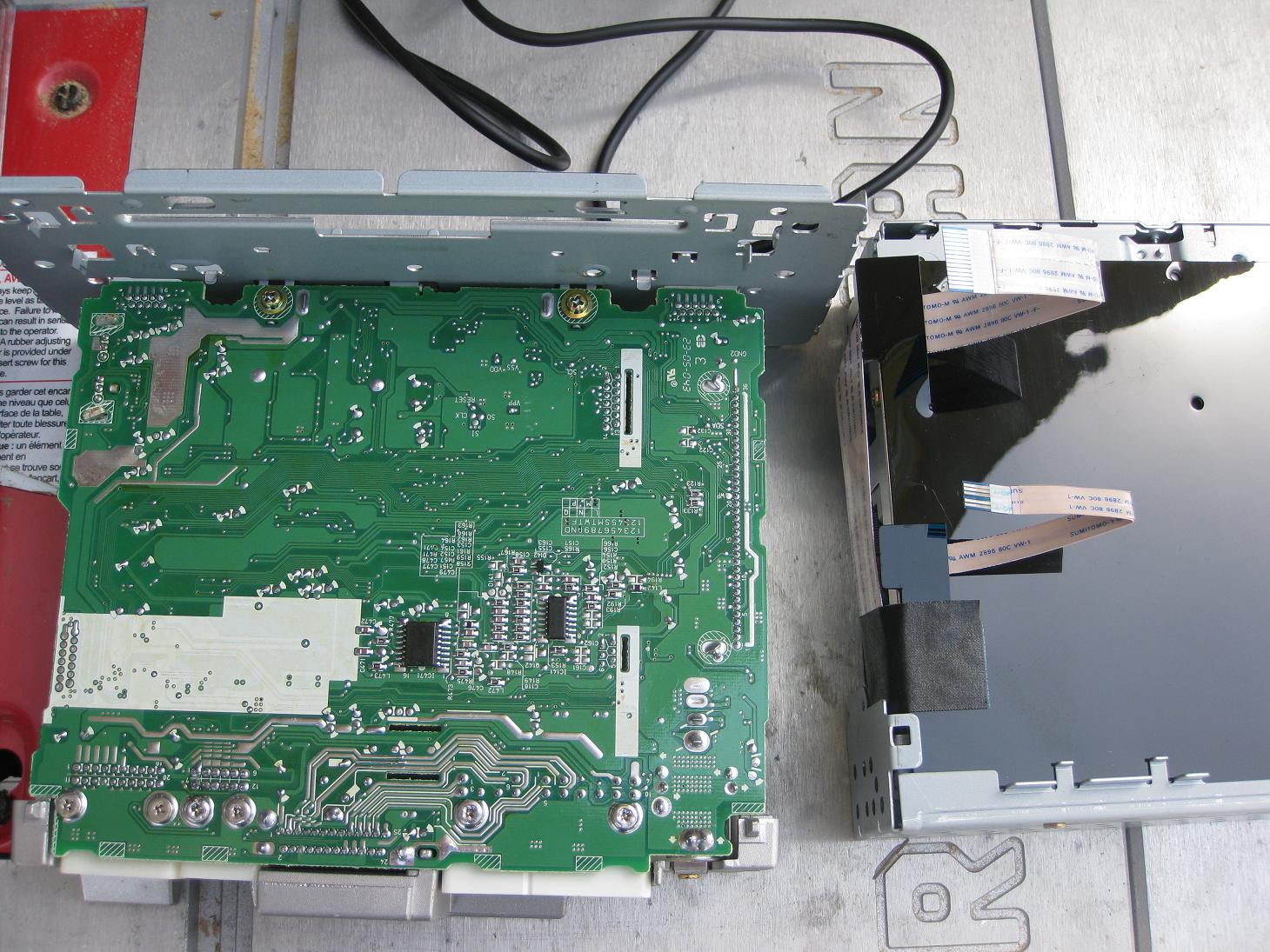
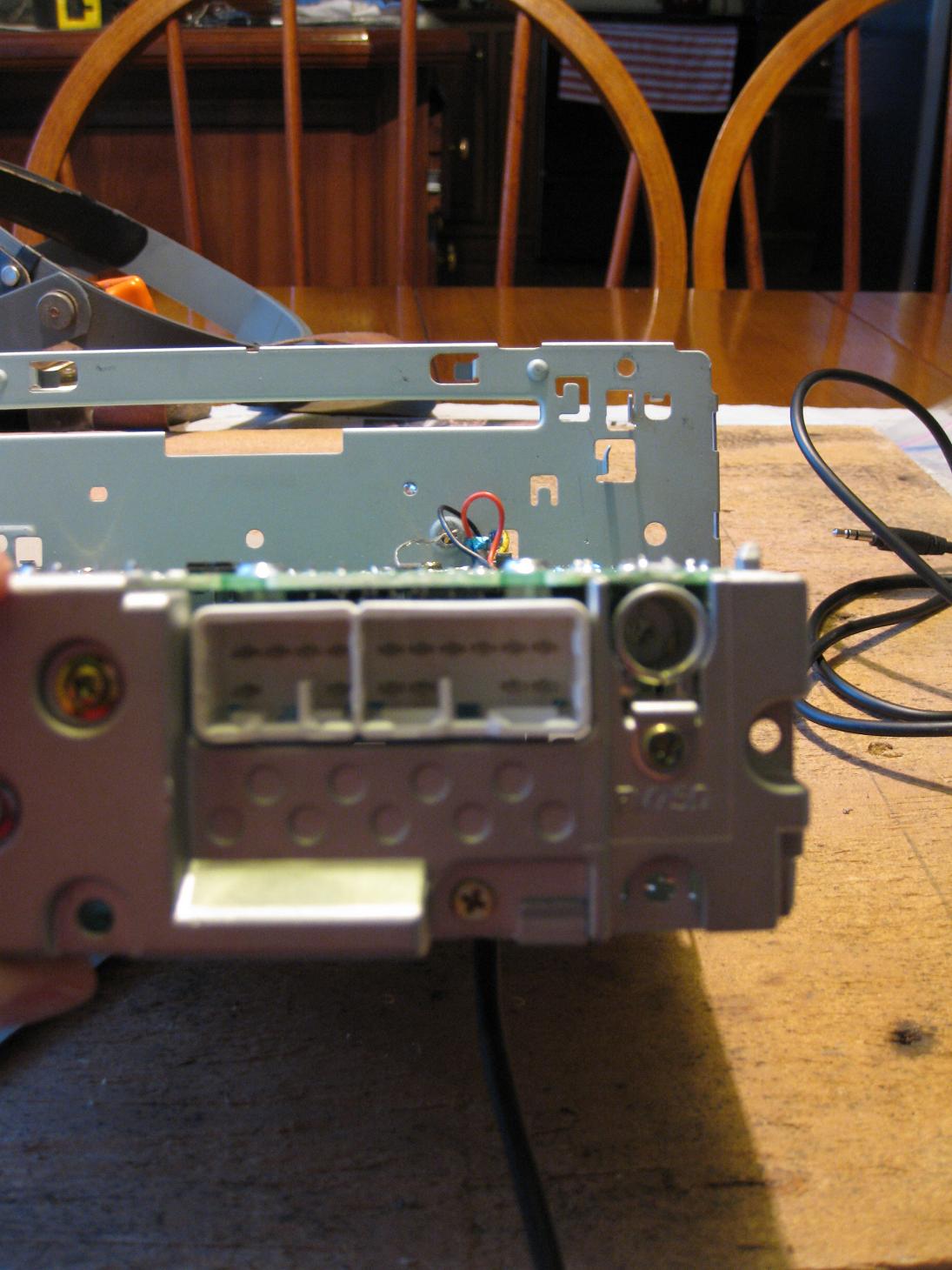
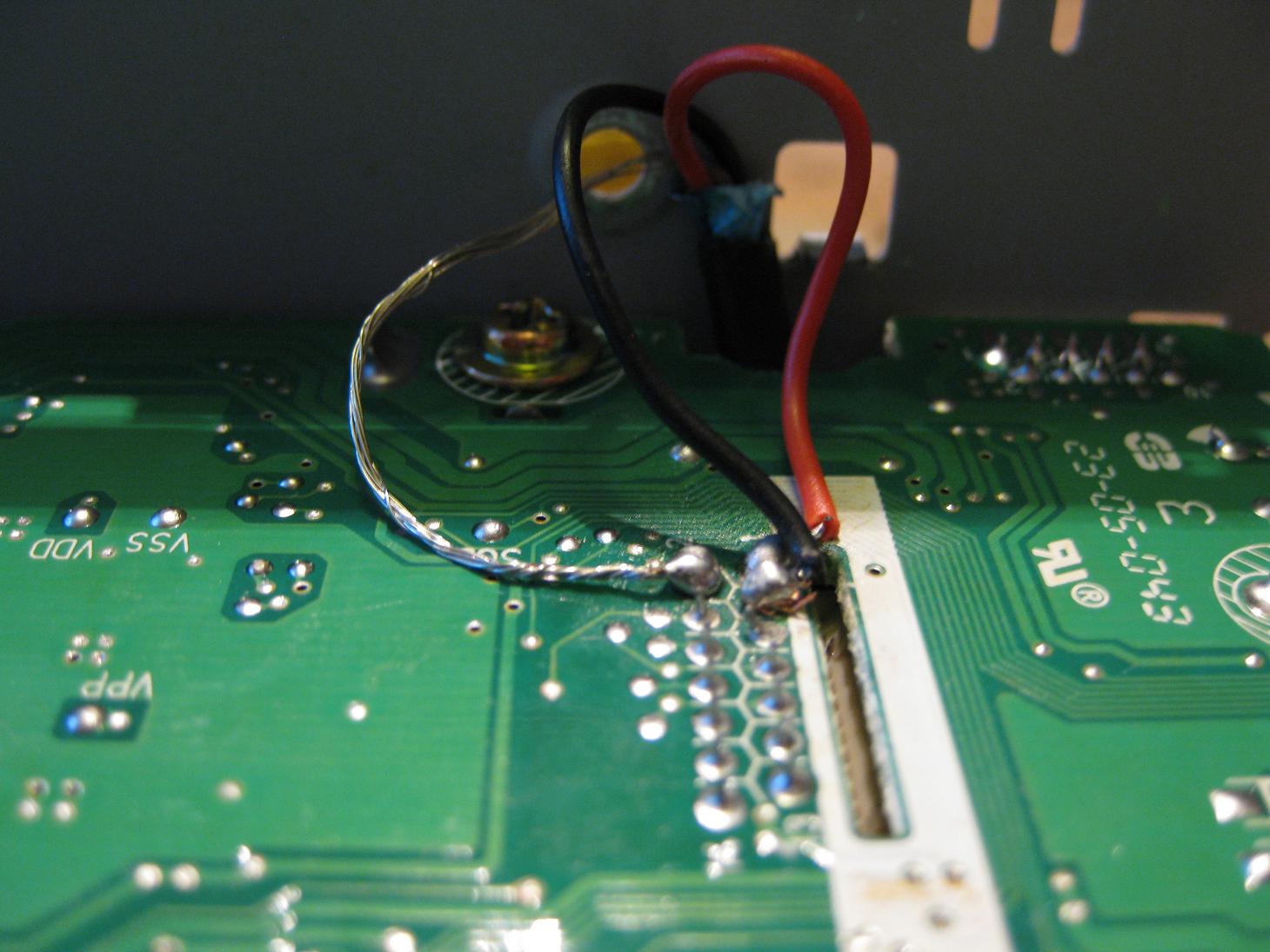
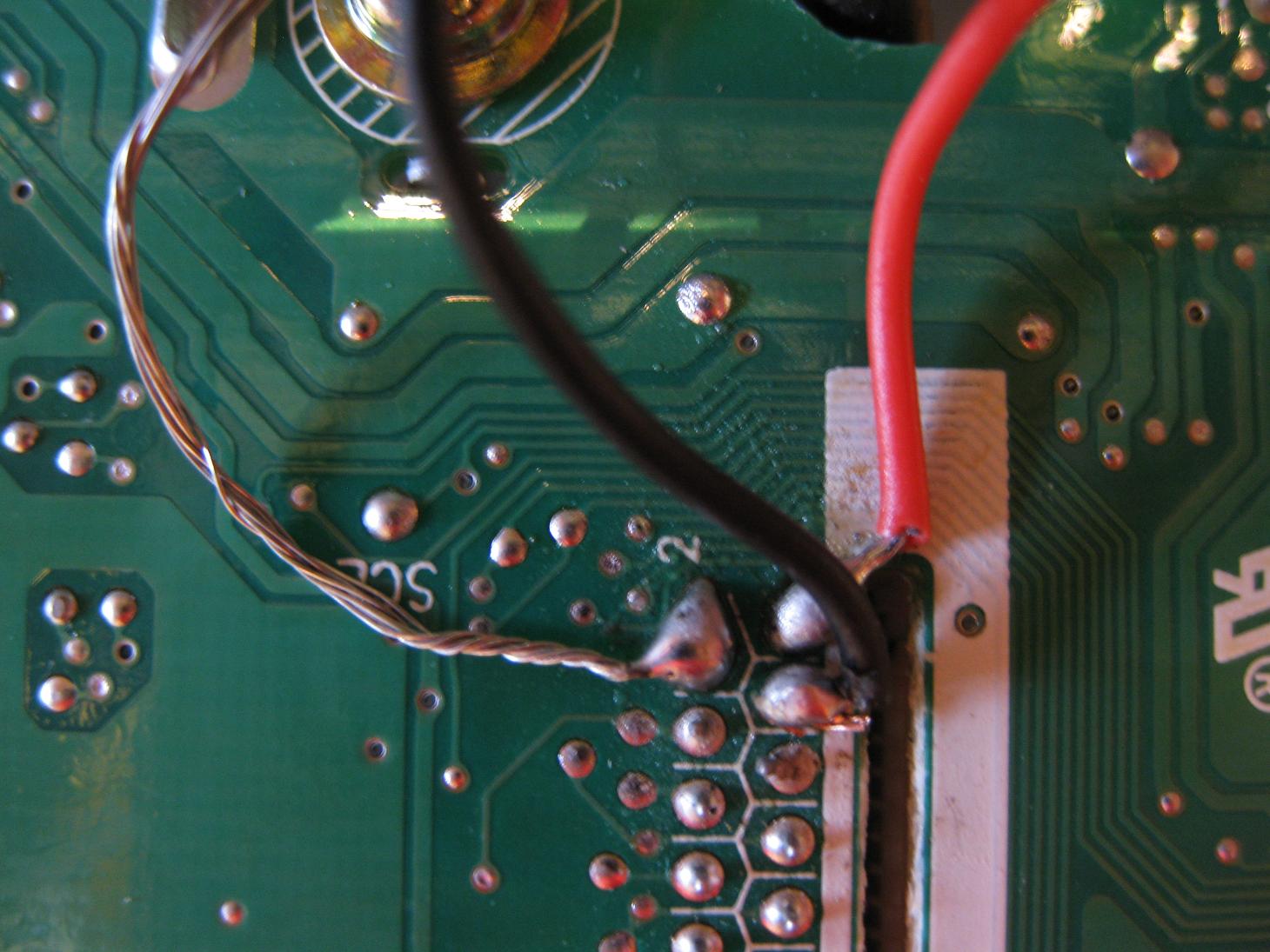
To download a .pdf version of this guide, right-click here, and Save As.
UPDATE: 10.12.21
Drew Darrow completed this hack on a 2006 Corolla, non-sport, with a CD player, not a CD changer.
Below is his “graphicized” image of the circuit board, identifying Pins 1, 2, and 3 for both CD player and CD Changer.
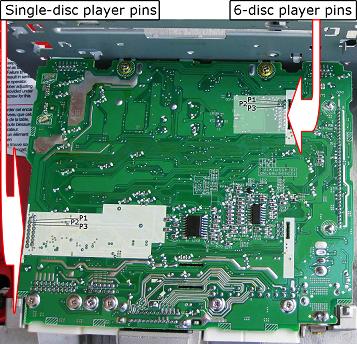
Thanks Drew!
John Kelly successfully completed the hack on a ’05 and an ’07 Corolla. The end results are below:
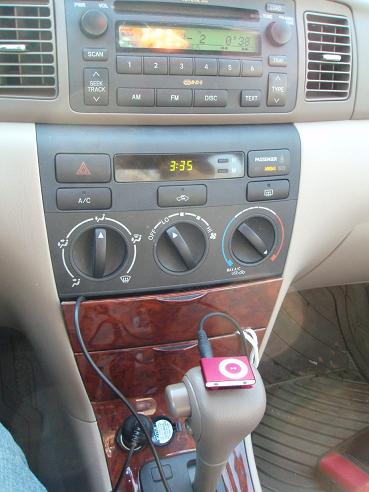
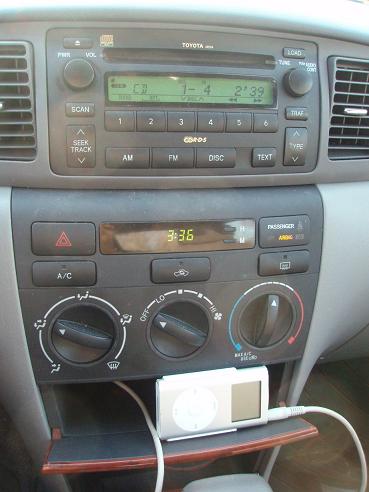
Thanks John!
Blake’s successful iPod auxillary hack below: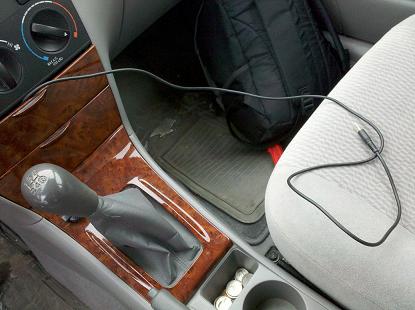
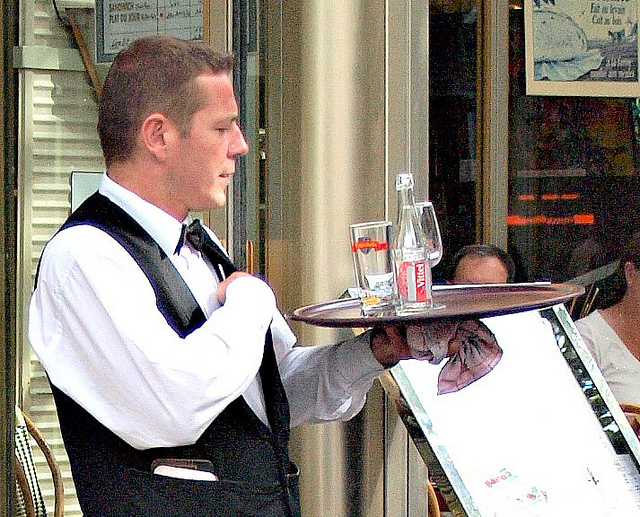
“It’s not just about making tips,” Frank said. He’s always said it. “Don’t look at your job like that. Otherwise, you start thinking, ‘I’ll treat these people sitting over here better than those people over there because I think they’ll tip me better.’ You might know they won’t leave you a good tip. You might remember the last time they came in, how nice you were to them and how the man thanked you and shook your hand on the way out, but when you counted the cash on the table, you found they only tipped you 13%. Some people will think, ‘I’m not going to be nice to them now,’ but that’s no way to serve.”
Serving was how he passed the time in high school and college. He did well because his memory was sharp, he was quick with figures and quick with his hands. But his belief in delivering quality work with quality service kept him in this industry that turns naïve idealists into cold, calculating machines. Which was easy enough in good times, but during the bad times, you see how quickly those ideals get compromised.
“You don’t know how lucky you are. You can go out to dinner, spend $100 before tip, and it’s not a big deal. You can’t appreciate it.” There was truth to his words. Looking back, by the time the server cleared the dessert plate, the whole event was another memory. It was a miniscule detail the moment it was over, like brushing your teeth or putting on a clean t-shirt in the morning. “But for some people it’s a very big deal, and you have to treat it that way.”
“What if this is a family who can only afford to eat out once a month?” he asked. A family of six; the father works six days a week while the mother stays home to take care of the kids. After the parents look at their budget, after deducting the costs of rent, utilities, groceries, putting money into the college savings and the account that looks more like a bad joke than a retirement fund, they figure, okay, we can afford to take everyone out to dinner once a month.
Their meal won’t be special to you. The parents won’t order wine or cocktails. The whole table will order water with lemons because it’s free. They’ll ignore your carefully crafted specials pitch, and opt for four of the more inexpensive entrees, and they’ll ask for a few sharing plates. They skip the appetizer, and the dessert.
Their check won’t be special, and the accompanying tip even less-so. Other than the 35 seconds spent grumbling over their meager contribution to your bottom-line, you won’t remember these guests in any way.
“To them, though, that meal is special, so you have to treat their experience the way they might see it. That’s how you look at your job.”
“What if you ruined this meal for them?” Frank continued. “All month, they look forward to the one night they get to go out, and do something special for the family. And you ruin it with your attitude, because they tipped you 4% percent less than you think you deserved.”
This responsibility isn’t a burden many servers carry on their shoulders. More often than not, they care little about the quality of food and even less about the quality of service. Their primary concern, at the end of their shift, is escaping with more money in their pocket than they came in with.
“That’s why you have to be different,” he said. “You have to care more. You have to know serving is not about you.”
Photo Credit: zoetnet
The giant textbook took up two tables – half of his, and half of the table to his right. He made enough room for his lunch after pushing aside the drinks menu and the soy sauce container: a beef teriyaki bento box, with shumai instead of harumaki, and sides of wasabi mayo and mustard. The cast iron teapot steeped the genmaicha. The warm bottle of sake rested by his left hand.
Joseph signaled for a second sake, and it was only as I poured his cup did a downwards glance catch the book’s color-illustrations: warriors in full-metal jackets resembling skirts, steep triangular helmets, halberds and katana.
I glimpsed the single-word title in the margin: Samurai.
With that, the entire scenario of this balding man, sipping his green tea over his bento box lunch coagulated like a specimen in a Petri dish, like déjà-vu after a handshake, or a certain smile. Joseph’s childhood was engrained by two events: the first, always the last man standing on the gymnasium hardwood, even after the girls. The second was the afternoons afterwards, which he spent absorbing kung fu movies and Samurai epics.
These afternoons spawned his interest in karate and Bushido, honor and seppuku, qi or chi or ki or whichever two letters are currently vogue. It turned him on to The Dao, The Way, The I-Ching, and its physical counterparts like gung fu or wing chun and jeet kun do.
He ate Pocky Sticks and top-shelf ramen.
He owned his own pair of chopsticks.
He even had a sushi making kit lying around somewhere in his apartment.
All thoughts and practices and products pulled from ideologies as different as Naruto and Ni-hao Kai Lan! but falling under the umbrella in his mind of “Asian;” this alluring culture and aesthetic where he discovered acceptance. Despite never having so much as an Asian pen pal, and the closest he’s been to the continent was Lee’s Market on Central Avenue. That made the feelings even more real, not less, however. Call it faith – to believe in something without having seen it. How else did he explain his draw to the culture and the people and their way of life? Or those feelings he harbored, in the darkest crevices of his heart, that he’d be so much happier if he were born Asian?
Of course, Joseph turned a blind eye to the discrimination Asians faced, the social stigmas and the rejection outside of watered-down, trendy ideologies of feng shui and chakra balancing and Chinese take-out boxes. He didn’t notice those lofty notions of pride, honor, and perpetual motion towards becoming a Zen creature being replaced by designer products: Mercedes-Benz and Rolexes and iPhones. He only saw what the tourist books and large textbooks about Samurai life wanted him to see: the mystery, the history, the high drama.
He even started falling in love with Asian women, every single one he passed by: wandering the stacks in the library, brushing close as he left the coffee shop, standing outside of the movie theater. They whisked away his heart with a single glance, like ninjas in the Tokugawa era. He felt she (and she and her and she) would understand him better than any woman ever would. He imagined he could tell her anything, and she’d cradle his face in her soft hands and tell him it’d be alright. He loved them for the thought of them; the thought of their long black hair, demure glances and soft voices, and the way he’d hold her close during cold nights. Don’t call it a fetish, either, because he was one of them – maybe not in his eyes, his skin color or the texture of his hair, but where it really mattered. In his heart, he was a Japanese warrior.
He raised the sake glass to his lips, and to his dismay, it was empty. He sighed, closed the textbook, and all those thoughts took flight again. He was back, sitting alone in the restaurant, plain old Joseph.
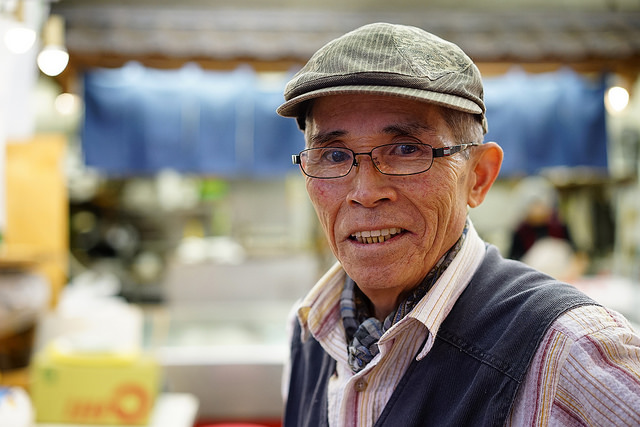
He struggled with his large, white hoodie, and shimmied it over his squat frame. He donned a white ski mask to cover his face, then pulled the hood tight over his head, shielding himself from the cold outside. The large book went into his bag, a green-nylon one, the kind female soccer players toted around during fall practice, and with an awkward swing, he secured it to his back.
Have a good day, I wished him as he left.
He pulled down the mask, revealing his puffy face. He thanked me. Then he said something in Japanese, and I could only smile back. In this area, few employees in a Japanese restaurant are actually Japanese. I considered telling him, to save him the trouble or embarrassment next time. But I held my tongue, afraid to break his heart.
Photo Credit: Eric Flexyourhead
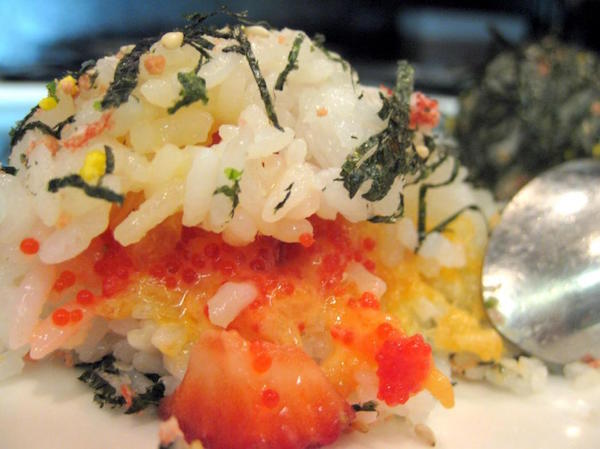
He cuts the nori into tiny pieces. Not like mincing garlic; it’d leave the sheet in assorted flakes sizes and shapes, a confetti of seaweed. Michael wants order.
He slices the seaweed into strips first, turns, slices again. He doesn’t rush, his expression neutral as he works. He imagines the taste and look, the visual balance between nori topping and garnish.

He wants to build his vocabulary and improve his grammar. So we don’t say much in way of conversation as I stand to his left, his wakiitai, his side-cutting board. Instead, we practice expressions while taking turns scooping rice from the Zujirushi rice warmer, pressing fluffy mound onto nori.
Broke, I say.
“Bloke.”
Broke, I repeat.
“Bloke. Bloke down.”
I nod my head. But broke down, you can only use that when you’re talking about your car. Everything else, you just say broke, I say in Chinese.
“Yeah, car bloke down,” he says. Then he points to an imaginary object on the table between us. “This is bloke.”
I nod again. I look down at our cutting boards, comparing my nori to his. On one, the rice is pulled across unevenly, with miniature mounds and valleys extending across the green plain. That one isn’t Michael’s.
His long, unconditioned hair lies flat against his bowed head as he works. The way he parts it – straight down the middle – makes his oval shaped face appear even rounder. Small, squinty eyes peer at the roll that’s quietly emerging from his gloved-handiwork. He starts piling on thin slices of cucumber.
“‘What do you think?’” he says to himself, slowly. His teeth are jagged, and there is plenty of space in between to work with. “‘How do you like it?’” He has an accent, but the meaning is clear. We focus on phrases he can directly apply while behind the sushi bar. The better he communicates to patrons at the bar, the better tips he’ll make.
Peering through the glass and rows of raw fish filets filed neatly one after another, the whole restaurant looks different. Facing out from behind the cutting board puts you on stage, an actor in his craft. Suddenly, you’re conscientious of your every move.
Everyone’s staring at you, the voice in your head reminds you.
Don’t pick your nose, it says. Don’t scratch your ass.
The attention doesn’t make learning any easier. Fortunately, Michael’s a patient teacher. He watches carefully, correcting the ingredients you’re placing in the roll when necessary, adjusting your form when it’s incorrect. Most importantly, he lets you make mistakes. It might be solely to give himself a good laugh, which he does nothing to hide: it’s open mouthed and barking, and there’s a twinkle in his eyes. It never feels like he’s laughing at you, though, only with you. You smile because he’s smiling. His laughter never makes you want to quit. He never laughs to flaunt his superiority.
“Inside out,” he says when he sees me building the roll with the seaweed oriented in reverse; placing the kani, avocado, and cucumber on the rice, instead of flipping it over and putting it on the seaweed. What the hell? I mutter to myself Fukinese, an expression he taught me. He chuckles.
“No no no,” he’ll scold when he watches me hack at the completed roll, butchering them into eight pieces. He pushes me aside. He shows me how it’s done; back and forth like a saw, but using speed to make the cut clean, crisp. It’s three quick movements: slice forward with knife tilted up, slide back with knife tilted down, then flat and pulled backwards as the knife strikes the cutting board.
After three sessions of practicing rolls, I ask him to show me how to do sushi.
“Qi sing,” he says in Chinese, with an incredulous look. It means “crazy.” When you train to be a sushi chef, he says, you spend weeks just doing side work, and if you’re talented, maybe rolling California rolls. Only when you master California rolls are you allowed to make rolls with fish, then after a few more weeks, the more difficult rolls – seaweed-outside and Chef Special Rolls.
I remember Danny, our previous sushi chef, saying something similar – except his training was underneath a Japanese chef, and more rigorous. For one month, Danny only cut cucumbers. They were the only things he was allowed to take a knife to, but he did it for 2 or 3 hours a day, everyday. He cut around the circumference, opening up the vegetable into one long sheet. Then he piled 5 or 6 of the sheets atop one another, and sliced them paper thin for the head sushi chef to use. That was it for the cutting for the rest of the day – then back to standing on the sidelines, watching, or washing dishes.
Yet here I was, asking Michael to teach me despite barely being able to cut properly; or knowing all the ingredients in all the rolls; or still forgetting, at times, which rolls were seaweed-inside or seaweed-outside.
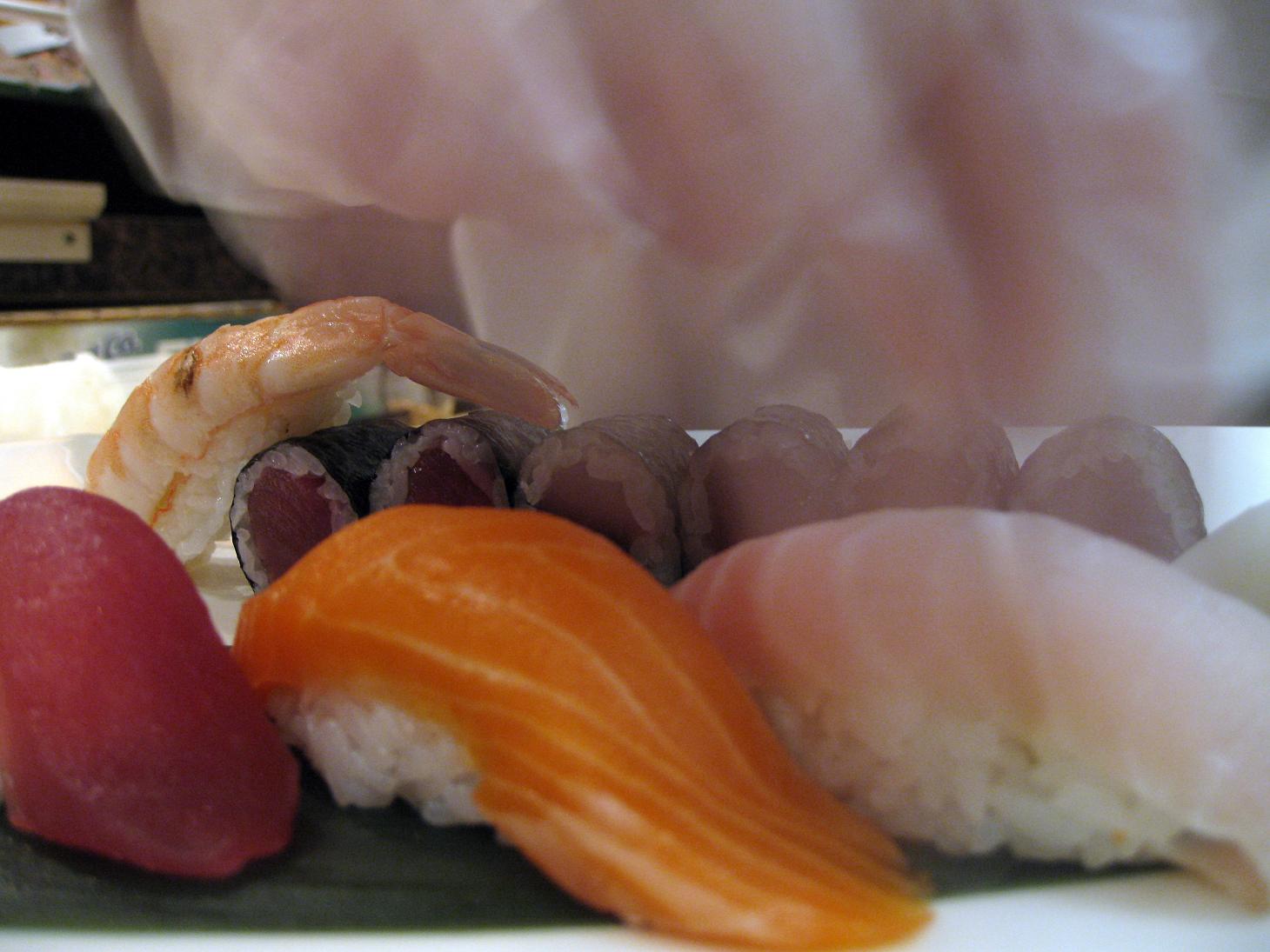
For whatever reason, though, when the next order for sushi came through the printer, he signals me to follow along with what he’s doing. He cuts two pieces of fish – mackerel – and puts one down on my cutting board. With one hand, he reaches into the warmer and plucks out a small morsel of rice. His fingers deftly roll the morsel into his palm, around and around, until it’s spherical. He hands it to me. “This much,” he says, then tells me to try.
I pick up what I imagine is an equal amount.
“No,” he plucks a chunk of rice from the amount I grabbed. “Too much.”
I try again.
“No,” he repeats. He removes another chunk.
On the third try, he approves, and I start rolling the rice between my fingers. I resist the urge to put the morsel on the cutting board to shape it into a ball, like Play-Doh.
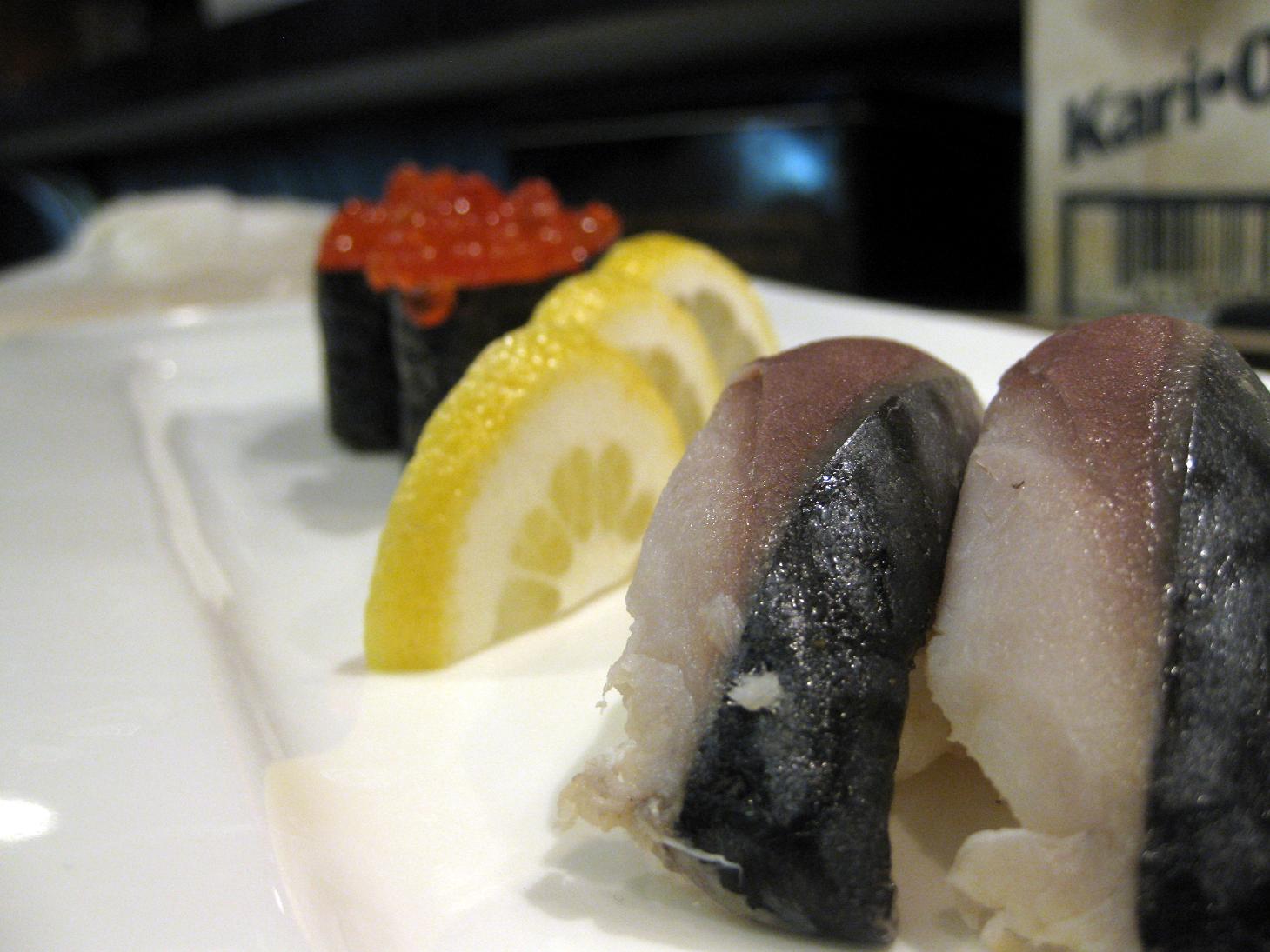
He shows me how to hold the fish gently in the left hand, then press the rice onto the bottom, using two fingers to flatten the base of the rice, nestling it into the fish. “Gentle,” he says in Chinese. “Don’t use too much pressure. Very soft.” I imitate his motions. His left hand cupping the fish gives the sushi its rounded figure.
He flips the product over in his hand, with the rice pressed into it. Using his thumb and index finger, he squares off the fish, ensuring every grain is covered evenly, save a thin white line at the very bottom.
He pulls out a dish and plates it; the mackerel looks pristine on the clean white, perfectly sized and proportioned, a gentle, gleaming curve hugging the rice.
I follow suit, and put my mackerel sushi next to his. He laughs – no attempt to hide it. It’s lopsided, the fish slipping off the rice on one side. There looks to be enough rice to engulf the entire fish. The symmetrical culinary masterpiece next to it magnifies the sloppiness.
“No good-uh,” he says. He picks it up, and starts fixing it, laughing as he does so. “Qi sing.”
Photo Credit: frank_breech
He wanted to say something. I could feel it in the air – that tension tingling in the space between us. I put down my tray.
He waited.
I took off the three tall soda glasses, and fit them snugly into one hand. My other hand reached for the soda gun. My thumb fired off two “D’s” and one “P.” Besides the fizzle and pop of carbonation striking soda mix, it was quiet.
He waited.
I handed my patrons their respective refills. When I returned to the bar, I put him out of his misery.
What Martin? I asked him.